Smart Cat Collars: Which Is Best for Health and GPS Tracking?

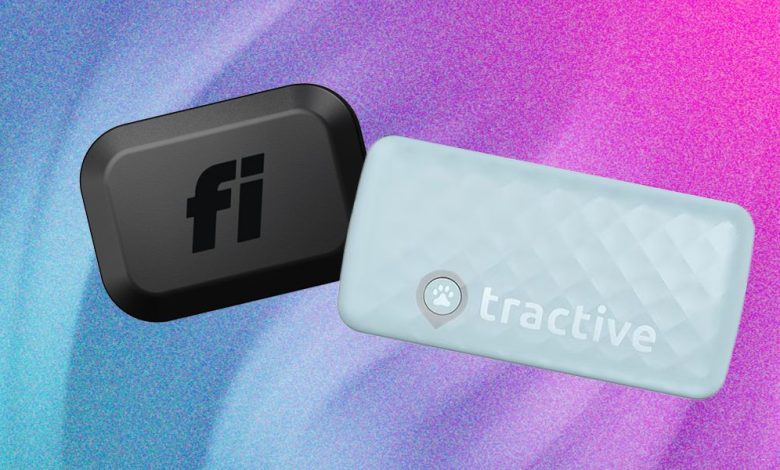
Months of testing the Fi Mini and Tractive Smart Cat Tracker produced no universal winner. WIRED found Tractive stronger for location history and app-based health context, while Fi Mini was smaller, easier to charge and lasted much longer between charges. Both required subscriptions and depended on cellular and satellite conditions, so neither should replace identification or responsible supervision.
Tractive prioritizes location detail
The Tractive Cat Mini used GPS and cellular connectivity to provide live location, historical heat maps and notifications when a cat crossed a mapped safe or danger zone. Its app compared activity with animals of similar profiles and summarized daily and weekly movement and sleep patterns.
During the review, Tractive’s location and app functions were the more useful of the two. Its limits included a battery lasting about five days in the test, a proprietary charger and a bulkier shape. Heavy vegetation, weak cellular coverage and frequent live tracking can reduce accuracy or battery life.
Fi Mini emphasizes battery life and size
Fi Mini weighed about 16 grams and measured roughly 1.5 by 1.0 by 0.5 inches. The test produced two to three weeks per charge—less than the manufacturer’s maximum claim but substantially longer than Tractive—and the unit charged over USB-C. Multiple attachments made it easier to fit an existing collar.
Its app tracked activity, sleep and location and allowed storage of veterinary documents. The reviewer, however, experienced false safe-zone alerts and found the location features less dependable unless the phone and app were appropriately connected. Fi lacked Tractive’s historical location heat maps and comparative activity goals.
Subscriptions and coverage change the calculation
A GPS collar sends data through a mobile network, which is why both products require a service plan. Upfront hardware price does not represent the lifetime cost. Buyers should check local carrier coverage, minimum commitment, renewal price, cancellation terms and whether the tracker remains useful if the subscription lapses.
GPS can also be weak indoors, among tall buildings or beneath dense cover. Bluetooth and Wi-Fi may improve nearby or at-home performance, but an “unlimited range” marketing claim means the tracker is not limited to direct Bluetooth distance; it does not guarantee a live position everywhere.
Health trends are signals, not diagnoses
Changes in sleep or movement can alert an owner to look more closely, but an accelerometer does not know why a cat slowed down. Weather, a loose collar, charging time and altered household routines can change the data. Persistent lethargy, appetite change, breathing difficulty or unusual litter-box behaviour belongs with a veterinarian, not an app.
Establishing an individual baseline over several weeks is more useful than comparing one dramatic day. Owners should share relevant trends with a vet while describing what they directly observed.
Fit and breakaway safety
A tracker must not make a collar dangerously heavy or prevent normal eating, grooming and climbing. Cats that roam outdoors should use an appropriate breakaway design so the collar can release if caught. That safety feature also means the device may fall off, making a microchip and a readable identification tag essential backups.
Test notifications before relying on them, charge on a routine and inspect for skin irritation. No consumer tracker guarantees recovery of a missing animal.
Which one fits which owner
Tractive was the better choice in the comparison for owners who value location accuracy, route history and richer app interpretation and accept frequent charging. Fi Mini suited owners who prioritize a compact device, USB-C charging and longer battery life.
The decision should begin with the cat rather than a feature list. Temperament, collar tolerance, roaming pattern and local network coverage determine whether either device adds useful protection. A tracker is a supplementary tool; secure housing, microchipping and prompt physical searching remain the foundation of lost-cat safety.
source