Musk v. Altman Kicks Off, DOJ Guts Voting Rights Unit, and Is the AI Job Apocalypse Overhyped?

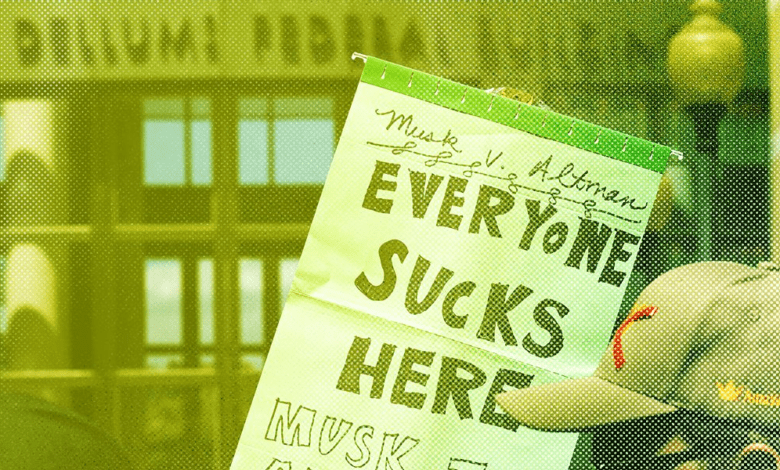
A late-April 2026 episode of WIRED’s “Uncanny Valley” podcast brought together three disputes often compressed into a single claim that technology is transforming society: Elon Musk’s case against OpenAI’s leadership, the erosion of the U.S. Justice Department’s voting-rights workforce and arguments that AI is already eliminating large numbers of jobs. Each subject required a different standard of evidence.
Musk versus Altman moved to trial
Elon Musk’s lawsuit alleged that Sam Altman, Greg Brockman and OpenAI departed from the public-benefit mission on which Musk said he had relied when supporting the original nonprofit. OpenAI disputed his account and argued that Musk’s claims misrepresented the organization’s history and restructuring. The jury trial therefore concerned contested evidence, not an established finding that either side’s narrative was true.
The dispute mattered beyond the relationship between two executives. OpenAI had developed a complex nonprofit-and-commercial structure and worked closely with Microsoft. The case raised questions about promises made by mission-driven organizations, the authority of their boards and the point at which access to capital changes the obligations described to early supporters.
Reporting on a trial should separate opening statements, exhibits, testimony and the eventual verdict. A colourful courtroom exchange is not the same as a factual finding, and allegations remain allegations until accepted by the court or conceded by a party.
Voting-rights enforcement depends on personnel
The episode also discussed a WIRED investigation reporting that dozens of lawyers had left or been removed from the Justice Department section responsible for enforcing federal voting-rights laws. A statute can remain on the books while enforcement capacity shrinks if experienced lawyers, investigators and institutional knowledge disappear.
The consequences are practical: fewer staff may mean fewer investigations, slower cases and less federal scrutiny of discriminatory election practices. The precise effect should be measured through staffing records, filed cases and official priorities rather than assumed from headcount alone. The department’s explanation and the accounts of former employees both deserve attribution.
Are layoffs proof of an AI job apocalypse?
Technology companies increasingly invoked AI when announcing reorganizations, and Meta’s layoffs were part of the podcast discussion. Yet a company can cut jobs for many reasons, including over-hiring, cost pressure, changed products and investor expectations. An executive’s claim that AI enabled a reduction is evidence about management strategy, not a complete measure of economy-wide displacement.
AI can automate portions of a job while creating review, integration and compliance work. It can also intensify remaining work rather than remove the position. Reliable analysis needs occupation-level employment, hours, wages, productivity and vacancy data over time. High-profile layoffs alone cannot show the net result.
The connecting issue is accountability
All three stories concern institutions making decisions under asymmetric power. A laboratory asks the public to trust its mission, a government chooses how vigorously to enforce voting law, and employers decide how technological gains and job losses are distributed. None is adequately explained by a feud, a personnel number or an “AI replaced workers” headline.
The podcast’s broad format was useful as a map of the week’s questions. Readers should follow the underlying court record, Justice Department activity and labour statistics before reaching firm conclusions. Technology may be the common setting, but legal findings, democratic enforcement and employment trends require separate evidence and sustained reporting.
source