Google I/O 2026 Live Blog: All the Gemini and Smart Glasses Updates as They Happen

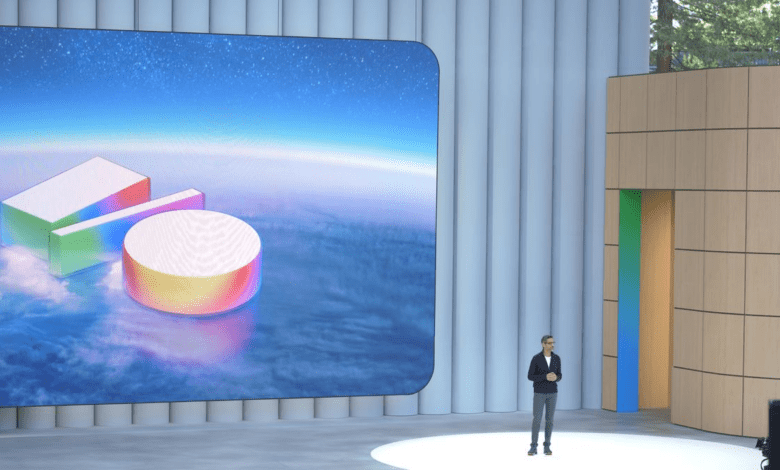
Google I/O 2026 placed AI agents, Gemini models and Android-powered eyewear at the centre of the company’s developer conference. Google announced Gemini 3.5 Flash and Gemini Omni, expanded its Flow creative tools and previewed “intelligent eyewear” designed with Samsung, Warby Parker and Gentle Monster. The launches were substantial, but many features had different release schedules, subscriptions and limitations.
Gemini moves from answers toward actions
Google described Gemini 3.5 Flash as a fast model for coding and longer agentic workflows. It was made available through Google AI Studio, the Gemini API, Android Studio and the company’s Antigravity development platform. The broader direction was clear: Google wants assistants to carry out multi-step work instead of merely returning a block of text.
The company also presented more agent-like experiences across Search, the Gemini app and shopping. Those tools can be convenient, but an agent that acts across accounts requires stronger safeguards than an ordinary search result. Users need to know which data the agent reads, what it is permitted to change and when a purchase, message or publication still requires confirmation.
Gemini Omni and the expansion of synthetic media
Gemini Omni was introduced as a multimodal creation and editing model, initially through an Omni Flash version. Google said users could combine text, images, audio and video and edit the result conversationally. The model was also being integrated into the Gemini app, Flow and eligible YouTube creation experiences.
One of the most conspicuous features allowed a person to make a custom avatar that looks and sounds like them. Flow could also turn one source image into multiple related clips, improve character consistency and use an agent to plan or batch-edit a project. These features lower production barriers, but they also make convincing impersonation and mass-produced synthetic content easier.
Consent and labelling therefore matter. A creator should have permission for every recognizable person and voice, retain provenance information and never present a fabricated event as documentary footage. Google highlighted SynthID watermarking, but no single provenance technology eliminates the need for newsroom verification or platform enforcement.
Smart glasses return as intelligent eyewear
Google showed two categories of Android XR glasses. Audio-first models were planned to provide camera-assisted Gemini conversations, calls, messages and live translation, while later display models would place directions, translated text and selected results in the wearer’s view. Google said frames from Warby Parker and Gentle Monster would arrive first, with display products following later.
A camera that is always available creates social questions alongside technical ones. Bystanders may not know when recording or AI analysis is active. Battery life, heat, prescription support, network dependence, accessibility and clear recording indicators will be as important as a successful stage demonstration.
How to read a live launch
Conference coverage mixes products available immediately, limited previews and future commitments. Buyers and developers should verify the supported country, account tier, device, language and privacy terms before treating a demonstration as a generally available service. Prices and release dates can also change after a keynote.
Google I/O 2026 showed a company trying to place Gemini across creation, software development, search and wearable hardware. The most consequential shift was not one model name; it was the attempt to let AI see more context and take more actions. Its usefulness will depend on reliability, user control and whether safeguards scale as quickly as the features themselves.
source