Senegal’s Young President Wants a New World Order
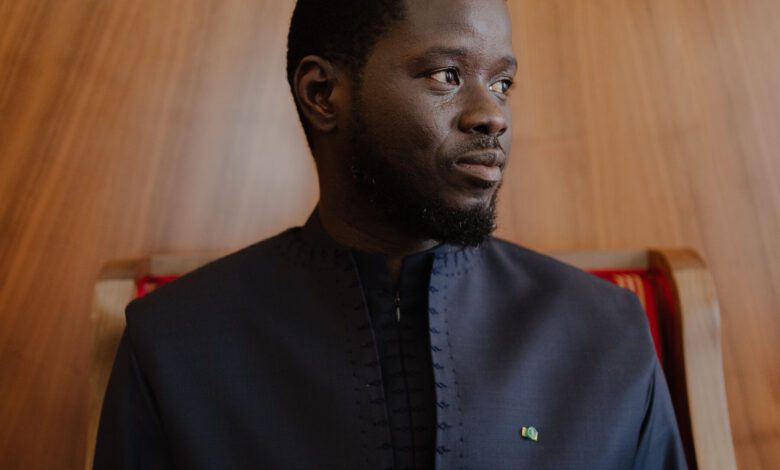
Senegal’s President Bassirou Diomaye Faye used his first address to the United Nations General Assembly in September 2024 to call for a fairer international order. Africa’s youngest elected head of state presented reform of multilateral institutions as a matter of representation, sovereignty and development.
Faye arrived through a dramatic democratic transition
The former tax inspector won Senegal’s March 2024 presidential election shortly after leaving prison, replacing an establishment defeated after a tense electoral period. His victory was widely seen as evidence of democratic resilience in a region affected by military coups.
Domestic expectations were correspondingly high.
He argued that global governance was unequal
Faye called for international institutions to reflect contemporary populations and power rather than the settlement after the Second World War. African states have long sought permanent representation on the UN Security Council.
Reform requires agreement from existing powers that benefit from current veto and voting arrangements.
Sovereignty was central to his politics
His movement promised greater control over natural resources, state contracts and economic decisions. At the UN, that outlook translated into demands for partnerships based on equality rather than paternalism.
Sovereignty also carries responsibility for transparent domestic management and the rights of citizens.
Debt constrained development choices
Many African governments devote substantial revenue to servicing debt, leaving less for health, education and climate adaptation. Faye supported changes to financing and a more equitable global economic system.
Creditor reform and stronger public accounting within borrowing countries are both necessary for durable solutions.
Climate justice was a practical demand
Senegal contributes a small share of historic global emissions but faces coastal erosion, heat, changing rainfall and food-security pressure. Leaders from vulnerable countries seek predictable finance for adaptation and loss.
Promises are meaningful only when funds are accessible and do not deepen unsustainable debt.
Security in the Sahel affected Senegal
Extremist violence and military takeovers in neighbouring West Africa have strained regional cooperation. Faye favoured dialogue and African-led solutions while Senegal remained a prominent civilian democracy.
Respect for sovereignty must be balanced with protection of civilians and constitutional rule.
Domestic parliamentary conflict continued
Faye lacked a supportive majority and dissolved the National Assembly in September, calling legislative elections for November 17. He said voters should provide the institutional means for his transformation program.
That election, rather than international acclaim, would determine his ability to pass reforms at home.
A new order required implementation
Calls for justice at the UN resonated with long-standing African demands, but speeches do not change voting rules, finance or trade by themselves. Senegal needed alliances, detailed proposals and credible governance to convert principle into influence.
Faye’s significance lay in pairing a generational political change with a familiar but unresolved demand: that international institutions grant African countries a stronger voice in decisions whose consequences they bear.
Senegal’s own democratic performance would shape the credibility of that message. Peaceful legislative competition, transparent resource agreements and independent institutions could demonstrate that demands for global accountability were matched by accountability at home.
That consistency would strengthen Senegal’s influence beyond the speech.