Death Toll Rises as Deadly Floods Threaten Central Europe: What We Know
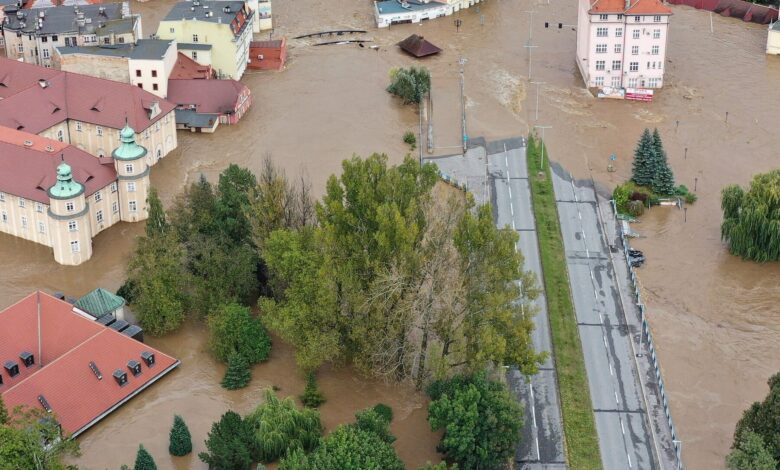
Storm Boris brought destructive flooding to Central and Eastern Europe in mid-September 2024, killing people across Romania, Poland, Austria and Czechia while forcing evacuations and disrupting transport. Slow-moving rainfall continued to threaten communities downstream even after conditions began improving in some of the first-hit areas.
A stalled system produced exceptional rain
Cold air from northern Europe interacted with warm, moisture-rich air from the Mediterranean and Black Sea region. The resulting low-pressure system lingered, delivering several days of intense precipitation over the same river basins.
Mountains intensified rainfall and channelled runoff rapidly into valleys.
Romania suffered early fatalities
Floodwater swept through villages in the eastern county of Galați, damaging thousands of homes and trapping residents. Emergency crews used boats and helicopters while authorities opened temporary shelters.
Older and isolated residents faced particular danger as small waterways rose suddenly.
Poland evacuated vulnerable towns
Authorities ordered evacuations in parts of Lower Silesia and Opole as rivers overtopped defences. The town of Kłodzko and surrounding communities experienced severe inundation, damaged bridges and power failures.
Prime Minister Donald Tusk announced emergency support while warning residents not to ignore official instructions.
Austria declared a disaster zone
Lower Austria experienced widespread river flooding and dam pressure. A firefighter died during an operation, underscoring the danger to rescuers as well as residents.
Rail services were suspended on important routes, and Vienna prepared defences as the Danube and tributaries rose.
Czechia confronted water and landslides
Thousands were evacuated in the northeast, where towns including Krnov and Jeseník were heavily flooded. Missing-person searches continued, so early casualty totals remained provisional.
Power cuts and closed roads complicated access to smaller settlements.
The flood moved through connected rivers
Water flowing into the Oder, Morava, Danube and their tributaries could create later peaks far from the heaviest rain. Slovakia and Hungary strengthened defences and monitored forecasts as upstream water approached.
A falling local river did not mean the regional emergency had ended.
Warnings reduced but did not eliminate loss
Meteorological agencies forecast the dangerous system and governments pre-positioned responders. Yet extreme totals, vulnerable buildings and rapid tributaries still overwhelmed infrastructure.
Comparing the event with deadly 1997 and 2002 floods showed the value of alerts while revealing remaining exposure.
Health risks continued after the peak
Contaminated water, mould, damaged clinics, interrupted medicines and psychological distress can persist for months. Returning residents need electrical and structural inspections before using flooded homes.
Cleanup workers also face sharp debris, sewage and unstable surfaces.
Climate and preparedness both mattered
A warmer atmosphere can hold more moisture, increasing the potential for extreme rainfall. Later attribution work could estimate how climate change altered this event’s likelihood or intensity.
Land use, river engineering, soil saturation and the quality of defences shaped the damage at each location. The responsible lesson was neither that every loss was unavoidable nor that infrastructure alone could control future weather.
As of September 16, death and missing-person figures were still changing. Accurate reporting needed timestamps and country-level attribution rather than treating an evolving regional total as final. Recovery would require both immediate relief and long-term investment in forecasts, floodplains, resilient buildings and cross-border river coordination.