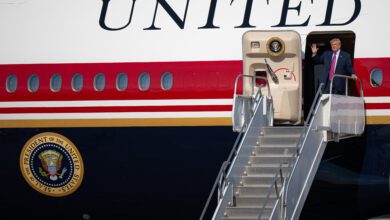
Former Indian vice-president M. Venkaiah Naidu criticized U.S. President Donald Trump over the 2026 Iran conflict and linked disruption around the Strait of Hormuz to higher Indian fuel costs. Speaking in New Delhi on May 26, Naidu also argued that political parties should explain how they would finance election “freebies.”
Remarks at a book launch
Naidu was attending the launch of Union minister Shivraj Singh Chouhan’s book about his experience with Prime Minister Narendra Modi. He described the West Asia war as unwanted and asked why the American president had “forced” it. That was Naidu’s political attribution, not a neutral finding about the conflict’s complete causes.
He said Indians were paying more for petrol, diesel and cooking gas because fighting had disrupted energy trade. He urged the public to consider the international cause of the increase rather than reduce the debate to accusations among domestic parties.
Why Hormuz affects India
The Strait of Hormuz is a narrow route connecting Persian Gulf producers with the Arabian Sea. A significant share of internationally traded oil and liquefied natural gas passes through it. India imports most of the crude it consumes, so a disruption or risk premium can raise the cost paid by refiners even when a particular shipment is not physically blocked.
The retail effect is not automatic or identical to a daily crude-price move. Exchange rates, taxes, freight, insurance, refinery margins, inventories and government pricing decisions influence what consumers pay. Reporting should therefore distinguish Naidu’s broad causal argument from a precise calculation of each rupee in the pump price.
His criticism of campaign promises
Naidu said parties were promising free electricity, transport, cash or even gold without demonstrating the state’s ability to pay. He singled out education and health as areas where free public provision could be justified and urged parties to disclose the fiscal basis for other promises.
The term “freebie” can obscure important differences. A universal bus programme may expand women’s mobility and employment; a power subsidy may support basic needs or encourage waste depending on its design. Every proposal should be assessed through cost, targeting, opportunity cost and measurable outcomes rather than a label alone.
Fiscal responsibility and voter choice
A credible manifesto should identify the eligible population, annual and long-term cost, funding source and effect on debt. It should also state whether a benefit replaces another programme and how delivery will be audited. Those disclosures allow voters to compare immediate relief with spending on schools, hospitals and infrastructure.
Governments can borrow during shocks or invest in programmes with lasting economic returns, so balanced budgets are not the only test. Persistent unfunded promises, however, can crowd out essential services and leave future taxpayers with obligations that were hidden during the election.
Keeping political claims in proportion
Naidu’s speech combined support for the Modi government with criticism of Trump and domestic welfare politics. It should not be reported as an official Indian diplomatic statement: former vice-presidents do not set foreign policy, and the government’s position must be read from authorized ministries and leaders.
His two arguments nevertheless raise legitimate public questions. Energy insecurity exposes the cost of import dependence, while election promises deserve transparent costing. Answering either requires data—on supply, retail pricing and budgets—beyond applause or criticism at a political event.
source