Indian Air Force May Oversee NEET-UG Re-Test Paper Transport

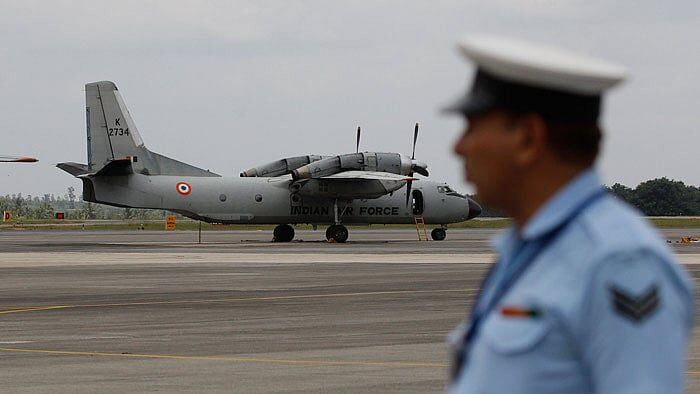
The Union government considered using the Indian Air Force to support secure transport of NEET-UG 2026 re-examination material after the original May 3 test was cancelled amid a question-paper leak investigation.
The proposal was discussed at a meeting attended by defence, education, communications, testing-agency and logistics officials. At that stage, participation by the Air Force was under consideration; it had not yet been announced as a completed deployment.
Why air transport entered the discussion
A national paper examination requires confidential material to move from printing and storage points to thousands of centres within a narrow window. Each handover creates a custody and timing risk. Defence logistics can reduce transit time to regional hubs and place movement under a tightly controlled chain, especially when monsoon disruption is possible.
Aircraft cannot secure the entire process on their own. Question selection, printing, packaging, storage, hub-to-centre delivery and access inside an examination centre remain separate points of control. A secure flight would have limited value if seals, personnel records or the final distribution chain were weak.
The re-test schedule
NTA set the re-examination for June 21, 2026, from 2 pm to 5.15 pm, including time for documentation and verification. The agency told candidates that their centre might differ from the May allocation and provided separate instructions for addresses, cities, medical needs and grievances.
At the time of the May report, the Central Bureau of Investigation was examining the alleged leak and suspected insider participation. Security planning for the re-test did not determine criminal liability; it was an operational response intended to prevent another breach and restore confidence among candidates.
What subsequently happened
After the June 21 test, NTA confirmed that the Indian Air Force was among the government bodies supporting the exercise. More than 20 lakh candidates sat the examination at 5,440 centres in India and 14 abroad, with the paper offered in 13 languages.
NTA also reported assistance from central armed police forces, state police, the Department of Posts, ministries, railways, technology agencies and state governments. Around seven lakh officials and other personnel were mobilised, according to the agency’s post-exam account. The scale shows why the operation could not be reduced to the Air Force transporting packets.
How examination security should be assessed
A credible review should examine custody logs, access permissions, tamper-evident packaging, randomisation, CCTV coverage, biometric exceptions, incident reporting and reconciliation of unused papers. It should also test whether controls protect candidate privacy and provide a fair process when technology fails.
The fact that the re-test was conducted is a logistical outcome, not proof that every reform recommended after earlier controversies is complete. Independent audit findings, court filings and the criminal investigation remain relevant to the wider question of institutional accountability.
Future reporting should compare announced controls with documented failures and corrective action. Security is strongest when responsibilities are traceable at every handover, anomalies are escalated quickly and an external reviewer can examine records without relying only on the agency’s own account of a successful examination day.
Sources: NTA re-examination FAQ; NTA post-examination report.