U.K. Prime Minister Keir Starmer, Bruised by Freebies Row, Needs a Reset at Conference
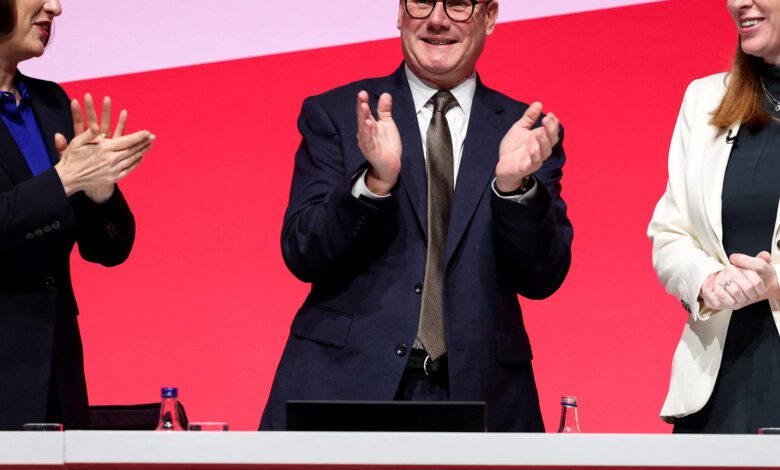
Prime Minister Keir Starmer arrived at Labour’s September 2024 conference in Liverpool needing to regain political momentum less than three months after a landslide election victory. Controversy over gifts and a cut to winter fuel payments overshadowed the new government’s effort to explain its economic programme.
The conference should have marked a return to power
It was Labour’s first annual gathering as Britain’s governing party in 15 years. Ministers wanted to contrast their plans with the Conservatives’ record and prepare voters for an October budget.
Instead, questions about judgment competed with the policy message.
Donations became the immediate problem
Starmer had accepted declared clothing, eyeglasses, accommodation and hospitality from Labour donor Waheed Alli. Reports also scrutinized clothing and styling support involving his wife, Victoria.
Compliance with disclosure rules did not settle the broader ethical question of access and appearances.
Senior Labour figures changed their practice
Starmer, Chancellor Rachel Reeves and Deputy Prime Minister Angela Rayner said shortly before the conference that they would no longer accept donated clothing. The decision sought to contain the story but also invited questions about why earlier acceptance had been appropriate.
Clear prospective rules would be stronger than individual case-by-case promises.
The optics collided with a benefit cut
The government restricted winter fuel payments mainly to pensioners receiving qualifying means-tested benefits. It argued that difficult savings were necessary because of weak public finances.
Critics said wealthy politicians receiving valuable hospitality looked detached from older people losing £200 or £300 in support.
Labour members were not uniformly supportive
Trade unions pushed for a conference vote against the winter-payment change. Delegates later backed a non-binding motion calling for reversal, exposing disagreement inside the governing coalition.
A conference vote did not itself change government policy but carried political weight.
Starmer’s larger message emphasized hard choices
He argued that repairing public services and the economy would take time and that conditions might worsen before improving. Such realism can build credibility only when accompanied by a fair distribution of sacrifice and a tangible destination.
Repeated warnings without hope risk depressing support.
Gifts policy requires more than disclosure
Parliamentary registers let the public see benefits, but rules should also address donor access, recusals, timing and categories that create confusion. Prompt publication in machine-readable form would allow consistent scrutiny across parties.
Opposition criticism should meet the same standard when its members accept gifts.
The reset depended on conduct
A speech could redirect headlines briefly, but trust required transparent declarations, stronger ethics rules and delivery on housing, health and living standards. Starmer’s large Commons majority gave legislative power, not immunity from public judgment.
The row mattered because Labour had campaigned on service and integrity after years of Conservative scandal. Restoring momentum required demonstrating that the new government’s standards applied to its own leaders and that fiscal restraint would not fall disproportionately on people least able to absorb it.
Ministers also needed to distinguish lawful hospitality required for official work from optional personal benefits. An independent ethics system with prompt advice could prevent inconsistent declarations and reduce partisan arguments over technical rules. Public trust depends not only on whether a gift is listed but whether accepting it could reasonably appear to buy influence.