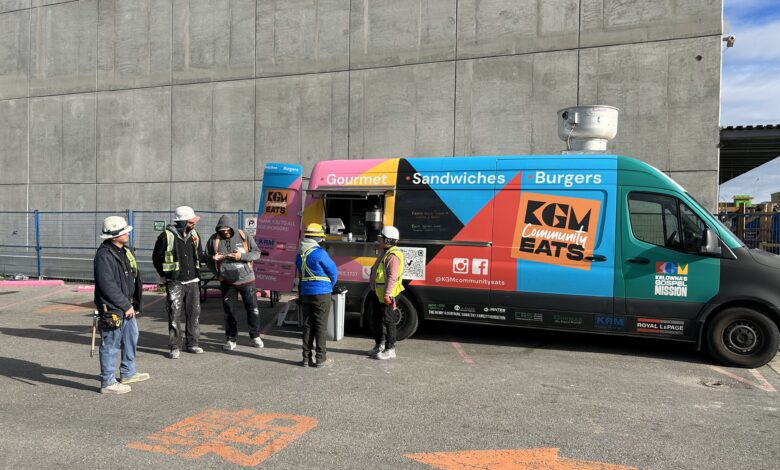
Kelowna’s Gospel Mission turned an underused food truck into a social enterprise in 2024, selling breakfast and lunch to construction workers while directing revenue back into services for people experiencing homelessness. The operation also created paid transitional work for some shelter residents.
An asset put to practical use
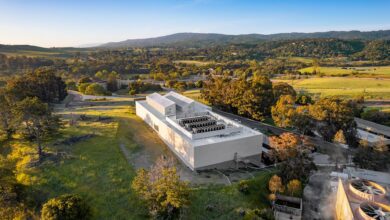
The mission had acquired two trucks through grants. One served as an outreach vehicle, while the second had not been used to its full potential. A large condominium project, Water Street by the Park, created a nearby market of workers seeking convenient meals.
The shelter already operated a central kitchen producing more than 700 meals a day. Executive director Carmen Rempel said adding food-truck preparation complemented that existing capacity rather than requiring an entirely separate operation.
Revenue with fewer restrictions
The truck had operated at the construction site since April and generated more than $30,000 in first-quarter revenue, according to Rempel. Revenue is not the same as profit: food, labour, fuel, maintenance, permits and equipment costs must be deducted before determining the amount available for programmes.
Even so, earned income can be especially useful to a nonprofit because grants may be short-term or restricted to specified activities. Rempel said unrestricted funds could support outreach and transitional employment according to changing needs.
Employment as part of the model
The mission hired some residents to work in the truck. Food-services manager Jeremy Luypen described the opportunity as a way to establish a work routine, build a résumé and prepare for other employment.
A responsible transitional programme pays fairly, provides training and does not make shelter or food conditional on work. Participants may need flexible scheduling, identification, transportation, clothing or health support. Success should be measured by the worker’s goals, not only the enterprise’s sales.
Benefits for customers and the shelter
Construction workers received nearby meals and said they enjoyed supporting the project. Their repeated purchases mattered more to sustainability than a one-time charitable surge. The model worked because it offered a genuine product in a useful location while making its social purpose clear.
The mission gained revenue, job placements and visibility. It also assumed commercial responsibilities such as food safety, insurance, bookkeeping and reliable service. A charitable purpose does not excuse lower standards; meeting them can strengthen participants’ transferable skills.
Questions for long-term evaluation
The first quarter demonstrated demand but could not prove year-round viability. Weather, construction schedules and a single site could change sales. The mission could track gross revenue, full costs, hours worked, employee retention and transitions to independent employment.
It should also plan for maintenance and replacement of a grant-funded truck. Diversifying catering or event customers may reduce dependence on one construction project without stretching staff beyond the shelter’s primary purpose.
Social enterprise is a tool, not a replacement for funding
A food truck cannot finance the full response to homelessness, which requires housing, health care, income support and public investment. Governments and donors should not withdraw support because one nonprofit generated sales. Earned income can supplement stable funding and create opportunities that a conventional donation does not.
The Gospel Mission’s experiment was promising because its parts reinforced one another: existing kitchen capacity supported the truck, customers funded services and residents gained paid experience. Transparent accounting and participant-centred employment would determine whether that early success became a durable programme rather than a compelling anecdote.