New Brunswick’s 2024 election campaign opened with criticism of Progressive Conservative leader Blaine Higgs after he repeated an anecdote that made light of a deceased Liberal supporter. Liberal and Green representatives called the remark disrespectful and demanded an apology.
The story came from an earlier campaign
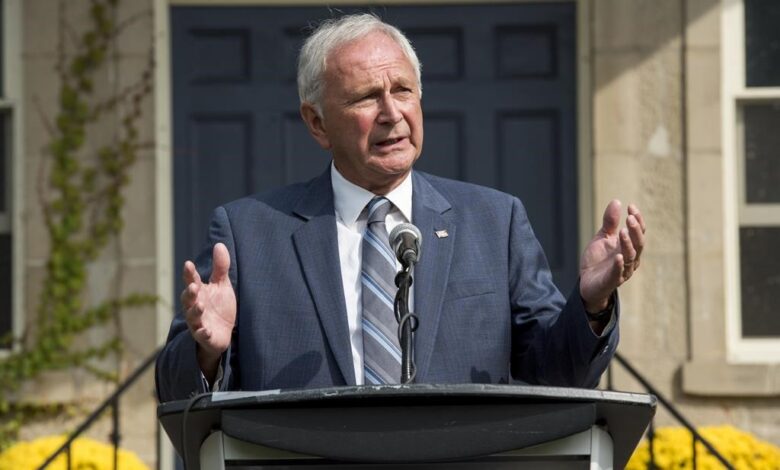
At a September 19 rally in Quispamsis, Higgs recounted a purported 2014 conversation between a volunteer and a voter. After learning a neighbour had died, the punchline was that the death was less regrettable because she was a Liberal.
Higgs acknowledged that the joke was inappropriate but said it was funny and true.
Opponents focused on the office he held
The Liberal association said making light of any New Brunswicker’s death was unacceptable for a premier. Green leader David Coon called the comment disgusting and said it reflected a dark political tone.
The criticism concerned judgment and respect, not a proposal to prohibit partisan humour.
The party did not offer the requested apology
Asked for a response, the Progressive Conservative executive director pointed to earlier statements by Liberal leader Susan Holt and accused opponents and media of applying a double standard.
That rebuttal challenged consistency but did not directly address whether Higgs’s anecdote was appropriate.
The campaign had just formally begun
Higgs dissolved the legislature and triggered an October 21 election hours before the rally. He was seeking a third term as premier and emphasizing taxes, affordability and his government’s education policy.
Early controversies can influence tone even when they have little connection to the main policy choices.
Education policy was a larger division
The government required parental consent before school staff used chosen names or pronouns for some younger students. Supporters framed the policy as parental rights; critics warned it could expose vulnerable students or override professional judgment.
That substantive disagreement deserved more examination than a campaign insult.
Tax promises also required scrutiny
Higgs proposed reducing the harmonized sales tax from 15 to 13 per cent. Voters needed estimates of household benefit, lost provincial revenue and effects on health care, education and other services.
A percentage-point promise does not affect all families or purchases equally.
Humour can reveal political norms
Campaign audiences often tolerate sharper jokes about rival parties, but death changes the ethical context. Leaders set expectations for volunteers and supporters, and dehumanizing opponents can deepen distrust beyond an election.
An apology can acknowledge harm without conceding every criticism from rivals.
Voters ultimately made a broader judgment
The controversy was one moment in a campaign about leadership, services, language, identity and cost of living. Susan Holt’s Liberals later won a majority, and Higgs lost his own seat.
The result cannot be attributed to one remark without evidence. The appropriate conclusion is narrower: Higgs told the story, opponents condemned it, and his party answered by attacking their record instead of apologizing. Readers could then judge the episode alongside the parties’ actual programmes.
That balanced approach preserves democratic accountability without allowing campaign theatre to displace sustained scrutiny of policies affecting residents after election day.