A Year After a Deadly Flood, a Libyan City Is Rebuilding but Not Whole
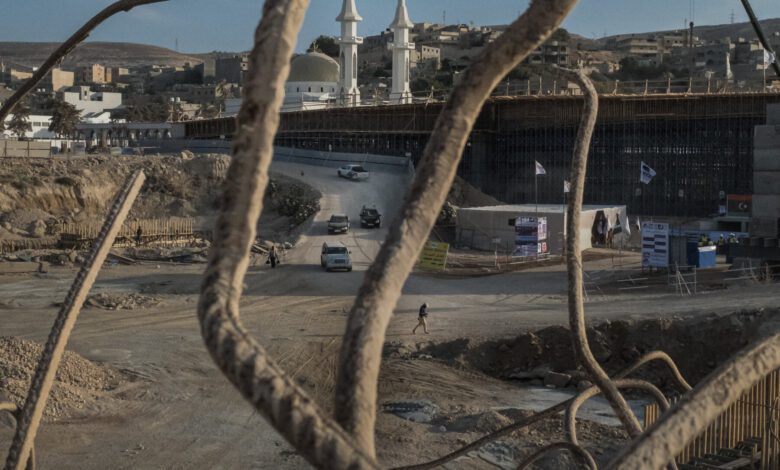
One year after Storm Daniel sent a wall of water through Derna, reconstruction was visible across the eastern Libyan city, but thousands of residents still lacked complete answers, compensation and essential services. New bridges and buildings could not close the gaps left by missing relatives, disputed death totals and unresolved responsibility for the failed dams.
Two dam collapses turned rain into catastrophe
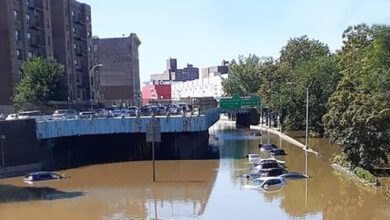
Heavy rainfall on September 10, 2023 overwhelmed the Abu Mansour and Derna dams upstream. Their failure released floodwater down Wadi Derna, destroying central neighbourhoods before reaching the Mediterranean.
The scale reflected both an extreme storm and years of neglected infrastructure and governance.
The human toll remained uncertain
United Nations reporting cited at least 5,923 deaths, thousands missing and more than 40,000 people displaced. Other authorities and organizations published different figures because bodies were swept to sea, families dispersed and records overlapped.
A wide range should not be converted into a false precise total.
Construction changed the cityscape
Crews rebuilt roads, bridges, schools, housing and the Al-Sahaba Mosque. Eastern authorities presented Derna as a vast project site and pointed to the speed of visible work.
Libya’s eastern parliament had allocated 10 billion dinars to a development fund for Derna and other affected communities.
Essential services lagged behind monuments
Rights groups said displaced households struggled with rent, documentation, banking, health care and reliable compensation. Reconstructing prominent structures did not necessarily restore livelihoods or provide homes to families most affected.
Public progress reports and beneficiary lists were needed to show who actually received support.
Political division shaped the rebuilding
Libya remained split between rival administrations. The eastern reconstruction fund was led by Belgacem Haftar, son of military commander Khalifa Haftar, creating concern about concentrated authority, procurement transparency and political benefit.
Criticism of governance did not erase the value of completed infrastructure.
Families continued searching for relatives
Thousands of missing-person cases remained unresolved. Identification required DNA samples, dental and medical records, exhumation protocols and coordination across agencies and borders.
For families, uncertainty prevented mourning and complicated inheritance, custody and compensation claims.
Accountability reached some officials
A Libyan court convicted a group of officials responsible for managing the dams, imposing prison terms over negligence and related offences. Rights advocates argued that a credible inquiry also needed to examine higher-level decisions and warnings issued before the storm.
Individual convictions were not a substitute for institutional disclosure.
Safer rebuilding required hydrological planning
The flood widened the river channel and exposed the danger of construction in its path. Engineers needed updated rainfall assumptions, evacuation routes, monitoring and public warning systems before deciding whether and how to rebuild dams.
Restoring the previous layout without correcting risk could recreate vulnerability.
Recovery included trauma and community trust
Survivors described grief, anxiety and fear whenever rain returned. Mental-health support, schools, local businesses and neighbourhood networks were as important to recovery as concrete.
Derna was rebuilding, but it was not whole. The responsible measure of progress was not a construction percentage announced by one authority; it was whether displaced people returned safely, families learned the fate of loved ones, public money could be traced and future residents were protected from another preventable dam disaster.