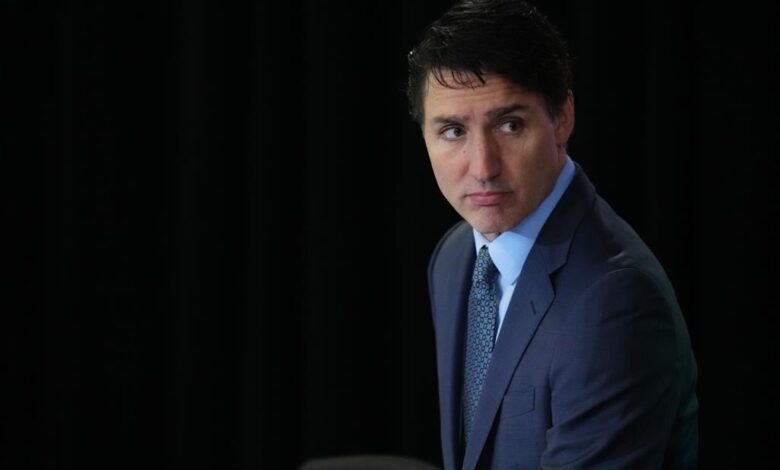
Four members of Prime Minister Justin Trudeau’s cabinet were reported in October 2024 to have decided not to seek re-election: Filomena Tassi, Dan Vandal, Marie-Claude Bibeau and Carla Qualtrough. Their departures added to expectations that Trudeau would reorganize cabinet before the next federal campaign.
Who was leaving electoral politics
Tassi served as minister responsible for the Federal Economic Development Agency for Southern Ontario. Vandal was minister of northern affairs, Bibeau was national revenue minister and Qualtrough was minister of sport and physical activity.
All four were first elected in 2015, when the Liberals formed government. Tassi and Vandal publicly confirmed their decisions; a senior government source said Bibeau and Qualtrough had also told the prime minister they would not run again.
Personal decisions, political consequences
The source characterized the decisions as planned and personal and said they had been made weeks earlier. Choosing not to stand in the next election did not mean a minister had immediately resigned from cabinet or ceased serving as an MP.
Even so, a prime minister often replaces ministers who will not contest the next campaign. Cabinet positions carry regional, linguistic, demographic and policy considerations, and several departures at once can force a wider reshuffle.
Long records in government
Vandal had represented Winnipeg-area voters federally and was appointed northern affairs minister in 2019. Tassi, an Ontario MP, held several portfolios after entering cabinet in 2018, including seniors, labour and public services and procurement.
Bibeau and Qualtrough had served in cabinet since the Liberals’ first term. Their experience covered agriculture, international development, employment, accessibility, public services, sport and revenue administration.
A difficult moment for the Liberals
The news arrived after prolonged weak polling for the governing party, losses in previously safe federal byelections and public reports of internal caucus concern about Trudeau’s leadership. A group of Liberal MPs was preparing to press him about the party’s direction.
Those circumstances made each retirement part of a broader political story, but they did not prove a coordinated revolt. Long-serving politicians leave for family, health, career and electoral reasons, and the evidence available at the time did not establish a single motive shared by all four.
Qualtrough’s reversal
Qualtrough had said shortly beforehand that she intended to run again, making her reported decision particularly notable. Political plans can change rapidly, and a source-based report should distinguish confirmed public statements from information that the person has not yet announced directly.
The headline accurately reflected that evidentiary distinction by attributing the news to sources rather than presenting every departure as an already filed nomination decision.
What a cabinet shuffle changes
A shuffle can bring new ministers into public view, redistribute heavy files and adjust regional representation. It cannot by itself resolve voter concerns over housing, affordability, immigration, public services or trust in government.
New ministers also face a learning curve. Departments continue to operate through deputy ministers and the public service, while elected ministers assume political accountability for decisions and communication.
What happens in each riding
When an incumbent does not seek re-election, the local party must nominate a replacement candidate. Other parties may see the open seat as more competitive, particularly when the departing MP has a strong personal organization or long local record.
Until Parliament is dissolved or an MP resigns, constituents remain entitled to full representation and casework. Retirement announcements should not turn a riding office into a campaign-only operation.
The larger test
The cluster of departures showed that the Liberal team elected in 2015 was changing after nearly a decade in power. It increased pressure on Trudeau to demonstrate renewal and reassure MPs about the next election.
For voters, the relevant evidence would come after the headlines: who entered cabinet, how government policy changed, which candidates were nominated and whether the departing ministers continued to fulfil their public duties. Four personal decisions mattered politically, but they were one part of a much larger judgment on the government.