Winnipeg, the Royal Aviation Museum of Western Canada and Bunibonibee Cree Nation unveiled a permanent marker in September 2024 for nine people killed in a 1972 plane crash. Eight were Indigenous students returning from residential schools; the ninth was the pilot.
The flight was taking students home
On June 24, 1972, the aircraft left Winnipeg carrying children who had attended residential schools in Portage la Prairie and Stonewall. Their destination was Bunibonibee Cree Nation, then widely called Oxford House.
The students were travelling because colonial education policy had separated them from their families and community.
The plane crashed shortly after takeoff
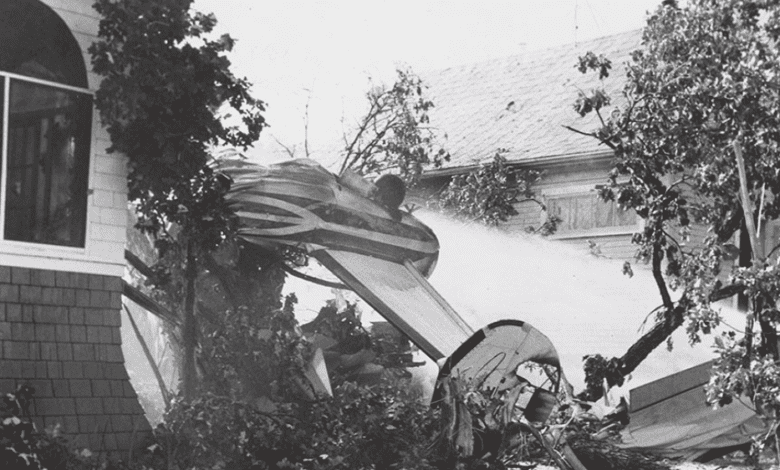
The aircraft came down in a vacant lot between 426 and 430 Linwood Street. All eight students and pilot Wilbur Coughlin died.
The urban crash site later changed, making a physical marker important for residents who might otherwise pass without knowing what occurred there.
The memorial stands near the site
The monument was installed along the Yellow Ribbon Greenway Trail near Silver Avenue and Linwood Street. It provides a public place for remembrance without placing visitors on private property.
Location connects the names and history to the landscape more directly than a museum display alone could do.
Families and community shaped the commemoration
Representatives of Bunibonibee Cree Nation attended the unveiling, including relatives of the students. Rosie Weenusk, described by the city as the only living parent of a student killed in the crash, was present.
Their participation made the ceremony an act of community memory rather than an institution speaking on their behalf.
The children should be remembered individually
Historical coverage must not reduce the eight students to a statistic. They belonged to families, had personalities and futures, and were travelling home when their lives ended.
A memorial can restore names and relationships that official accounts often compressed into a brief accident record.
The residential-school context is essential
The crash itself was an aviation disaster, but the children were on that flight because Canada removed Indigenous students from their communities for schooling. That fact explains the route and the families’ prolonged separation.
It does not change the immediate cause of the crash; it gives truthful context to why the passengers were there.
The project took years to complete
The aviation museum announced plans around the fiftieth anniversary in 2022. Public funding, coordination with the city and consultation preceded the 2024 installation.
Delayed recognition can never repair the loss, yet a durable marker helps ensure the event remains part of Winnipeg’s civic history.
Commemoration carries a continuing duty
Chief Richard Hart said the young people’s possible contributions could never be known. The memorial asks visitors to recognize both the nine lives and the wider system that shaped the journey.
Its value will depend on continued care, accurate interpretation and education. Remembering the crash responsibly means listening to Bunibonibee families and refusing to treat the tragedy as an isolated footnote detached from residential-school history.
Schools, trail users and museum visitors can help sustain that memory by learning the passengers’ names and sharing the community’s account respectfully.