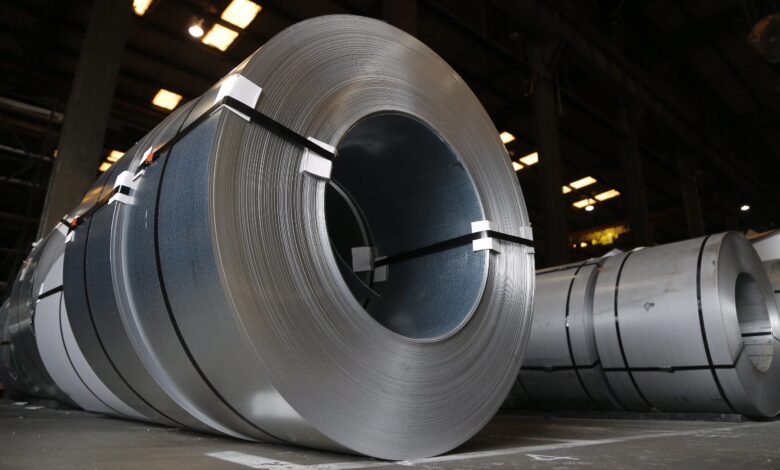
Canada’s 25 per cent surtax on specified steel and aluminum products originating in China took effect on October 22, 2024. The measure covered a defined list of tariff classifications rather than every object containing steel or aluminum, and it formed part of a wider Canadian response to Chinese industrial and trade practices.
Scope of the surtax
The Department of Finance published the final list of covered goods before implementation. Customs treatment is determined by a product’s tariff classification and origin under Canadian rules, not merely by the nationality of the seller or the port from which a shipment departs. Importers therefore need the legal tariff schedule and customs guidance when determining whether the additional duty applies.
The government said Chinese goods already in transit to Canada when the measure came into force were not subject to the new surtax. It also established a process through which businesses could seek remission in compelling circumstances, including certain situations where inputs or reasonable alternatives could not be sourced domestically or from non-Chinese suppliers.
Why Canada imposed the measure
Ottawa described the tariff as a response to non-market policies, state-directed overcapacity and oversupply in China’s steel and aluminum sectors. The stated goals were to protect Canadian production and investment and to reduce the risk that imports diverted by trade actions in other countries would enter the Canadian market.
Those are the Canadian government’s policy findings. Tariffs also involve trade-offs. Domestic producers competing with lower-priced imports may benefit, while manufacturers that use imported metal can face higher input costs or supply-chain adjustments. Whether costs are absorbed by importers, suppliers or customers varies by contract, competition and the availability of substitutes.
Relationship to the electric-vehicle tariff
The steel and aluminum measure was separate from the 100 per cent surtax Canada applied to Chinese-made electric vehicles beginning October 1, 2024. That EV measure included specified electric and certain hybrid passenger vehicles, trucks, buses and delivery vans. Reporting the two policies together can be useful context, but their rates, effective dates and covered tariff items are different.
Canada also considered measures involving other critical manufacturing sectors. A consultation or stated intention, however, is not the same as a duty in force. Businesses and readers should check the current Department of Finance and Canada Border Services Agency material before treating an earlier proposal as law.
What the policy means in practice
A surtax is collected at importation in addition to duties that may otherwise apply. Product classification, country-of-origin rules, valuation, quota treatment and any remission order can affect the final amount. Companies purchasing metal-containing goods should not estimate liability from a news headline alone.
The October 2024 action marked a significant shift in Canada’s approach to selected Chinese industrial imports. It aligned Canada more closely with partners that had raised concerns about excess capacity, while creating new costs and compliance work for affected importers. Subsequent trade measures and retaliation have continued to alter the broader policy environment, but they do not change the historical fact that the 25 per cent Chinese steel and aluminum surtax began on October 22, 2024.