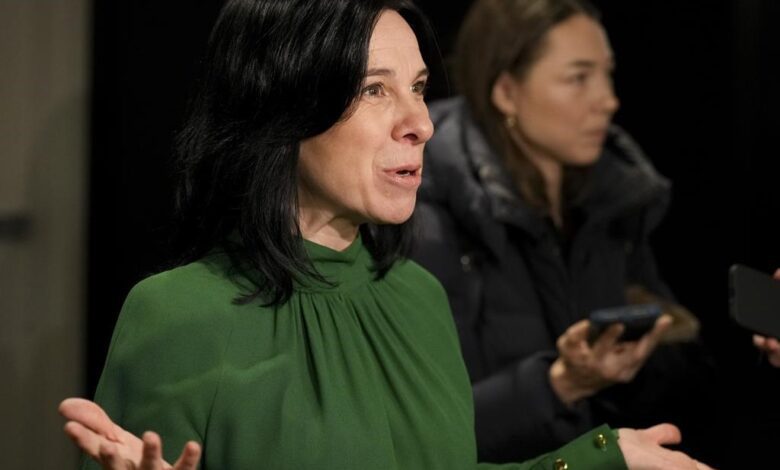
Montreal Mayor Valérie Plante faced criticism in September 2024 after limiting comments on her social-media accounts. Her office said the moderation decision responded to repeated insults and abusive exchanges, while critics argued that public officials should not silence legitimate criticism.
Blocking comments is different from deleting posts
A platform owner can leave a mayor’s statement online while disabling replies, remove individual comments or block specific accounts. Each choice affects public discussion differently and should be described precisely.
The available facts concerned comment access, not a general ban on criticism of Montreal’s government.
Officials receive both public service and personal abuse
Public accounts expose elected officials to threats, harassment and coordinated attacks. Staff need tools to protect workers and users, particularly when messages include violence or private information.
Discomfort with disagreement alone is not the same as a safety risk.
Moderation rules should be published
A clear policy can identify prohibited threats, discriminatory slurs, spam, impersonation and personal data. It should explain whether criticism, satire, profanity and political disagreement remain allowed.
Consistent enforcement is more credible than ad hoc decisions during a controversy.
Public accountability does not require an unmoderated feed
Montreal could provide press contacts, council meetings, consultation portals and formal complaint channels even if replies on one account were restricted. Residents need a route to challenge policy, not necessarily access to every comment thread.
Those alternatives should be easy to find and accessible in both official languages.
Digital access can raise legal questions
Courts in several jurisdictions have treated government social-media spaces as places where constitutional expression may matter. The legal result depends on account ownership, state control, the rule applied and the reason for a restriction.
A municipal policy should be reviewed by counsel before accounts are used as essential public notices.
Archiving protects the public record
When comments are disabled or removed, a government should preserve records subject to access, privacy and evidence laws. Archived material can show whether enforcement was even-handed and help respond to complaints.
Transparency does not require republishing abusive personal attacks.
Harassment can distort political debate
Coordinated abuse makes it harder for residents to ask questions and can drive women, minorities and younger officials away from public life. Moderation can broaden participation when it is targeted at conduct rather than viewpoint.
Independent review reduces the risk that “civility” becomes a pretext for avoiding scrutiny.
Criticism remains part of democratic work
Residents may strongly oppose transport, housing, policing or tax decisions without being abusive. Officials should expect uncomfortable facts, corrections and political disagreement as part of their mandate.
Closing replies should not close other routes for dissent.
The controversy needed a practical remedy
Plante’s office could publish its moderation criteria, explain how long restrictions last and provide a contact for accessibility or safety concerns. Critics could ask whether the same standards apply to supporters and opponents.
The useful lesson was not that every comment must remain online. It was that public institutions using private platforms need rules that are viewpoint-neutral, reviewable and transparent. That balance protects staff from abuse while preserving the accountability residents expect from an elected mayor.