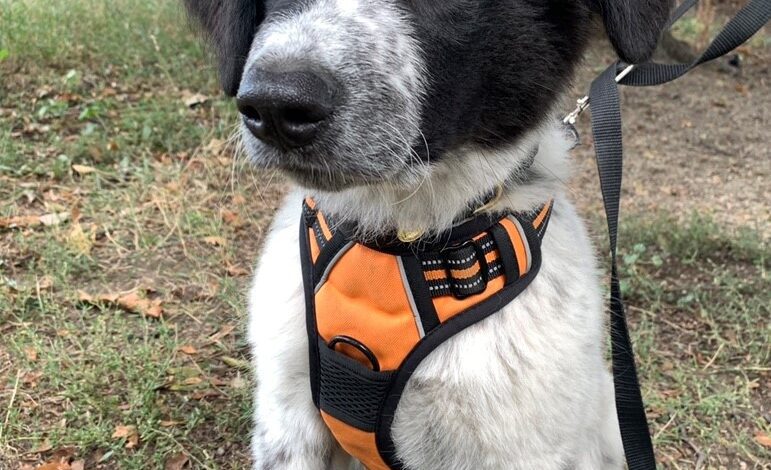
Global Okanagan’s “Adopt A Pet” segments gave rescue organizations brief television exposure for animals seeking permanent homes. A short video post could introduce an individual animal, but responsible adoption required substantially more information and a direct assessment by the shelter or foster organization.
A broadcast profile is only a starting point
Viewers may respond to appearance or a moment of friendly behaviour on camera. The rescue knows more about age, health, temperament, training, history and needs than can fit into a short segment.
Availability can also change quickly after broadcast, so applicants should contact the named organization directly.
Matching matters more than impulse
A good application considers working hours, housing, landlord rules, children, other animals, travel and the adopter’s experience. High-energy dogs, shy cats, bonded pairs and animals with medical needs each require different homes.
An honest mismatch decision protects both the applicant and animal from a stressful return.
Rescues should disclose known information
Adopters need veterinary records, vaccination and sterilization status, medication, observed behaviour and any known bite or escape history. No shelter can guarantee how an animal will behave in every home, especially during a transition.
Clear uncertainty is more trustworthy than presenting every pet as effortless.
Adopters should verify the organization
Legitimate rescues use an application and contract, explain fees, keep medical records and provide a contact after placement. A request for urgent payment without an opportunity to assess the animal or organization can signal a scam.
Payment and personal details should go through official channels, not an imitator commenting on social media.
The first weeks require patience
A new environment can produce hiding, poor appetite, accidents or overstimulation. A quiet decompression period, consistent routine and gradual introductions help an animal settle.
Veterinary advice is appropriate for illness or persistent behaviour concerns, while aversive punishment can worsen fear.
Ownership has continuing costs
Food, licensing, preventive care, dental treatment, grooming, training, emergency veterinary bills and pet-friendly housing can exceed the adoption fee many times over. Applicants should plan for the animal’s full expected life.
Insurance or an emergency fund can reduce the risk of surrender after an unexpected diagnosis.
People unable to adopt can still help
Rescues often need foster homes, transport, supplies, event volunteers and donations. Supporting accessible spay-and-neuter programmes and pet-food assistance can keep animals with families and reduce shelter intake.
Sharing an official profile accurately may also reach a suitable adopter without creating duplicate or outdated listings.
Follow the original rescue listing
The preserved video and source associated with this post identify the featured animal and organization. Because status, medical information and placement requirements can change, that original contact—not this archived article—should determine whether the animal is still available.
The value of “Adopt A Pet” was its connection between local audiences and welfare groups. Turning attention into a successful placement depended on evidence-based matching, transparent records and a realistic commitment, not simply the emotional appeal of a television appearance.
Prospective adopters should ask questions, meet the animal as the rescue recommends and be prepared to walk away if the match is wrong. Thoughtful adoption gives the selected animal the best chance that its next home will truly be permanent.