
US reopens key wetlands language for comment as agencies struggle to finalise WOTUS rule

The US Environmental Protection Agency and Department of the Army are seeking another round of public comment on how to define “waters of the United States,” the phrase that determines the reach of major Clean Water Act programmes.
The September 4 supplemental proposal adds regulatory alternatives to the agencies’ 2025 draft. It is not a final rule. A 30-day comment period will begin after publication in the Federal Register, and the agencies say they will consider the new alternatives alongside the original proposal.
Why a definition changes real-world protection
WOTUS determines where federal permits and pollution controls apply to streams, wetlands and other waters. Areas outside the federal definition may still be regulated by states, Tribes or local governments, but protection then varies by jurisdiction.
The rulemaking follows the Supreme Court’s 2023 decision in Sackett v. EPA, which narrowed federal jurisdiction over wetlands. The current dispute centres on how regulators translate requirements such as a “continuous surface connection” and relatively permanent water into language that field staff, landowners and courts can apply consistently.
EPA Administrator Lee Zeldin says the goal is legal durability and predictability for farmers, developers, energy producers and other land users. Environmental advocates and some scientists warn that a narrow definition can leave wetlands without federal safeguards even when they store floodwater, filter pollution or support downstream ecosystems.
More comments after an unusually large response
EPA says its earlier process included listening sessions, government and Tribal consultations, three public meetings and a 45-day comment window that generated more than 220,000 submissions. The supplemental notice reflects how difficult it has been to produce a definition that survives both technical criticism and repeated court challenges.
No parcel automatically gains or loses jurisdiction merely because the supplemental notice was announced. The legally operative outcome will depend on the final published text, its effective date, site-specific facts and almost certain judicial review.
Sources: EPA and Army supplemental-proposal announcement; pre-publication supplemental notice; Associated Press legal and environmental context.
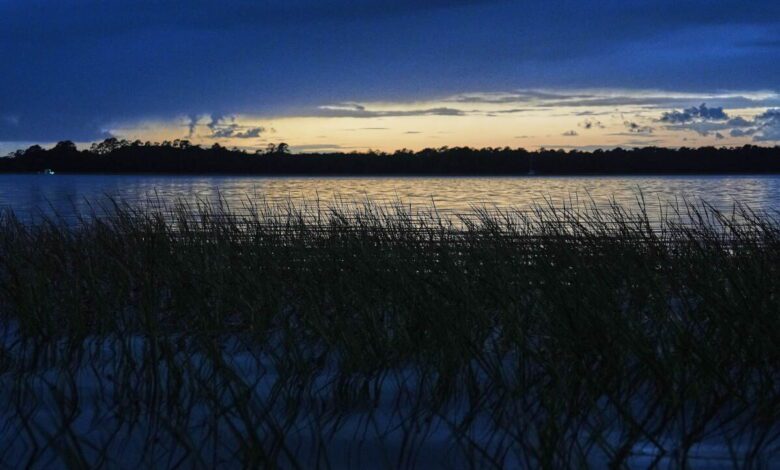
A salt marsh in Charleston, South Carolina. Photo: Joshua A. Bickel/Associated Press.




