
IEA Flags a Prolonged Oil Shock as Gulf Supply Disruption Persists

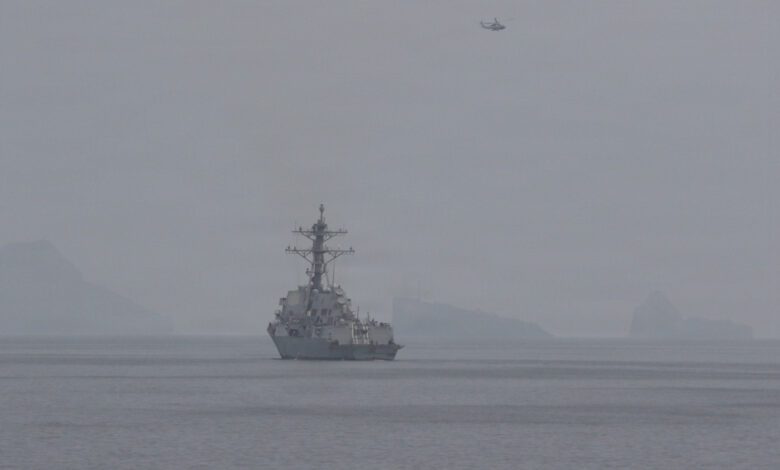
The International Energy Agency says the global oil shock has not run its course. Its September market assessment described a supply disruption that continues to affect Gulf production, shipping and the price outlook for consumers and businesses well beyond the region.
The agency said that more than 10 million barrels a day of Gulf output remained shut in during August. It also reported North Sea Dated crude at US$113.48 a barrel on 9 September, illustrating how quickly the conflict-related disruption has reshaped the cost of energy.
Why oil prices matter beyond the pump
Oil is a transport and industrial input as well as a retail fuel. A sustained rise can feed into freight rates, aviation costs, food distribution, manufacturing and inflation expectations. The effects can be particularly sharp in countries that import most of their crude and have limited fiscal room to cushion households or businesses.
Higher prices do not translate automatically into the same outcome everywhere. Refining capacity, currency movements, fuel taxes, strategic reserves and domestic subsidy policies all affect how an international crude-price move reaches consumers.
Supply, demand and shipping are moving together
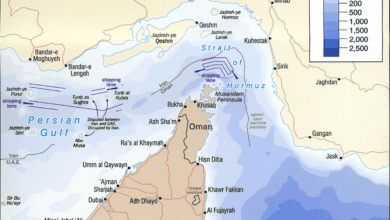
The IEA’s report places the problem in a broader market context: the loss of supply is occurring alongside constrained shipping through a strategic waterway and uncertainty about how quickly damaged or shuttered facilities can return. This makes simple forecasts risky. A change in security conditions can move prices sharply in either direction.
The agency expects world oil demand to weaken in 2026, but a softer demand forecast does not eliminate near-term price pressure when a large volume of supply is offline. Governments and central banks will be watching whether high energy costs become embedded in wider inflation.
What households and policymakers should watch
Key signals include the pace of Gulf production recovery, insurance and freight costs for tankers, the condition of strategic reserves and the response of producers outside the affected region. For now, the IEA’s message is that the market is operating with less margin for error than usual.
Sources
- IEA Oil Market Report, September 2026
- Associated Press shipping-risk context
- Featured-image provenance




.jpg)