Using Dance to Provoke, Delight and Tell South Africa’s Stories
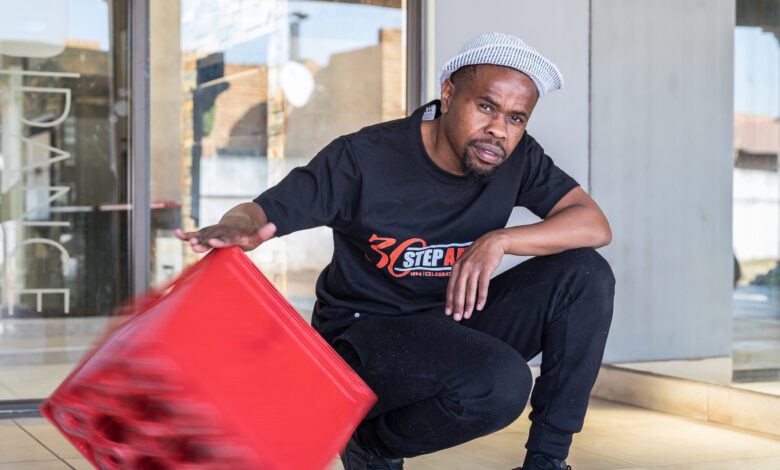
South African choreographer Vusi Mdoyi has spent decades carrying pantsula from township streets to international stages without severing it from the communities that created it. His work shows how a dance born under apartheid can entertain, provoke and preserve social memory at the same time.
Pantsula emerged from Black township life
The fast, precise style developed in South Africa’s townships during apartheid. Dancers use intricate footwork, rhythmic gestures, character and improvisation, often in close conversation with music, fashion and street language.
It provided joy and identity within a system built to control where Black people could live, work and move. Performance could carry humour and swagger while reflecting unemployment, policing, migration and everyday survival.
Mdoyi learned by watching his surroundings
Growing up near Johannesburg, Mdoyi watched his father and other adults dance in household yards. The movement was part of community life before it became his profession.
That informal education matters. Pantsula is not simply a sequence of steps that can be detached from its language, music and history; it is a social form passed through observation, crews and neighbourhood competition.
Via Katlehong helped take the form abroad
Mdoyi became a dancer, teacher, director and choreographer associated with Via Katlehong Dance, a company rooted in the township east of Johannesburg. Its performers combined pantsula with gumboot dance, tap and contemporary stagecraft.
Touring major venues in Europe and the United States brought wider recognition. It also created the challenge of presenting a locally specific form to audiences who might see only speed and spectacle.
Everyday objects became part of the choreography
Beer crates, formal suits and familiar street poses can appear in the work. Such elements connect theatrical composition to the public spaces where dancers perform for neighbours, commuters or tips.
The objects are not decorative shorthand for poverty. In skilled choreography they shape balance, sound, labour and relationships between bodies, making ordinary material carry narrative weight.
Movement can tell political stories without a lecture
A sudden freeze, a competitive exchange or a formation that excludes one dancer can suggest authority, solidarity or conflict. Comedy can lower an audience’s defences before a harder image arrives.
Mdoyi’s approach treats entertainment and ideas as partners. Delight earns attention, while rhythm and character allow difficult histories to be felt rather than only explained.
Teaching protects more than technique
Mdoyi founded the VAP Dance Academy and Studios in Katlehong to train young people. Access to rehearsal space, experienced teachers and performance networks can turn informal talent into a sustainable artistic path.
Community training also helps keep cultural ownership close to the people whose lives shaped the form. International demand should create opportunity for township artists, not merely extract an aesthetic.
Collaboration expanded the dance’s vocabulary
Work with contemporary choreographers and multidisciplinary artists placed pantsula beside other movement traditions without requiring it to imitate European concert dance. Exchange can reveal new possibilities when collaborators treat one another as equals.
The strongest productions preserve the style’s timing, attitude and social intelligence even as staging, lighting and narrative scale change.
Pantsula remains living culture
Calling the dance “high art” can challenge institutions that once ignored township forms, but the label should not imply that theatre approval finally made it valuable. Pantsula already held artistic meaning in streets, yards and community halls.
Mdoyi’s achievement lies in expanding where the form can speak. His choreography invites audiences to enjoy virtuoso movement, recognize the history inside it and see South African township experience as a source of ideas rather than a background for spectacle.