Fourteen Newborns Killed in PIMS Islamabad Nursery Fire, Inquiry Ordered

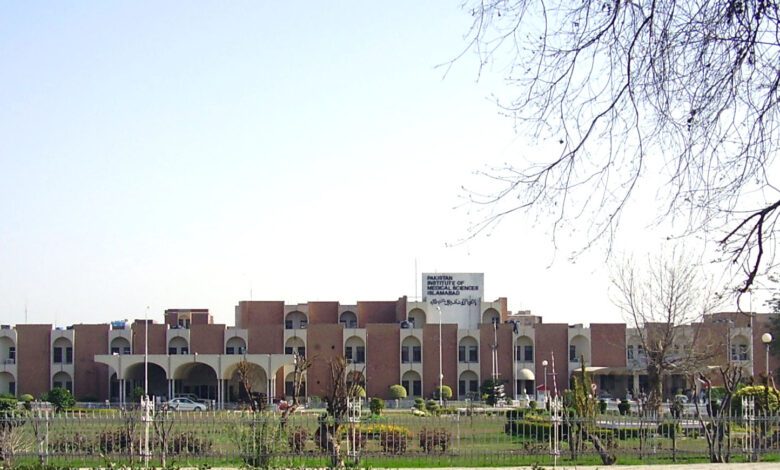
Fourteen newborn babies were killed in a fire at the Pakistan Institute of Medical Sciences in Islamabad on Wednesday, prompting a high-level inquiry into the cause, emergency response and fire-safety systems at one of the country’s most important public hospitals.
Officials said 15 babies were in the nursery in the maternal and child health wing when the fire broke out. A doctor rescued one infant. The blaze was contained to the nursery, and authorities did not report other injuries in the initial account.
Emergency response under review
The fire service recorded the call at 6:54 a.m. and said crews arrived within seven minutes. Six fire units and four ambulances were deployed. Those times and resources form part of the official response record, but they do not answer how conditions inside the nursery became fatal so quickly.
A preliminary official account linked the fire to an exploding air-conditioning unit. That is not yet a final technical finding. Investigators will need to examine electrical wiring, circuit protection, maintenance records, smoke and heat movement, oxygen-rich clinical equipment, alarms, suppression systems and staff actions before assigning responsibility.
Prime Minister Shehbaz Sharif ordered an immediate inquiry and directed that the health secretary be removed. A fact-finding report was requested within 24 hours. A separate committee headed by Islamabad’s additional deputy commissioner-general is tasked with examining the cause, response and compliance with fire-safety requirements.
Why neonatal wards require exceptional protection
Newborns in a nursery or neonatal unit cannot evacuate themselves and may depend on incubators, oxygen, monitors or intravenous treatment. Smoke, heat and interruption of power can become life-threatening much faster than in an ordinary office space. Effective safety therefore depends on prevention, very early detection, compartmentation and trained staff who can move several medically fragile patients at once.
Hospitals should inspect high-load electrical circuits, air-conditioning equipment, oxygen lines, fire doors, alarms and emergency lighting on a risk-based schedule. Escape routes must remain clear, while evacuation drills need to reflect the number of staff actually present overnight and in the early morning.
Questions the inquiry must answer
The investigation should establish when staff first noticed smoke or fire, whether alarms operated, how quickly power and oxygen were isolated, and whether doors or ventilation spread smoke. It should determine the maintenance history of the suspected unit and whether earlier faults were reported.
Accountability should be based on preserved evidence rather than public pressure to produce a quick culprit. The hospital should secure surveillance footage, maintenance logs, duty rosters and equipment remains. Families also deserve verified identification, a clear explanation of procedures and continuing psychological and legal support.
A 24-hour report can document immediate facts, but a credible engineering and clinical review may require longer. Authorities should publish both the preliminary findings and a final corrective-action plan, including deadlines and independent verification across other public hospitals. The purpose must be not only to explain this fire, but to prevent another nursery from facing the same conditions.