Ratko Mladic Dies in The Hague While Serving Life Sentence for Genocide and War Crimes

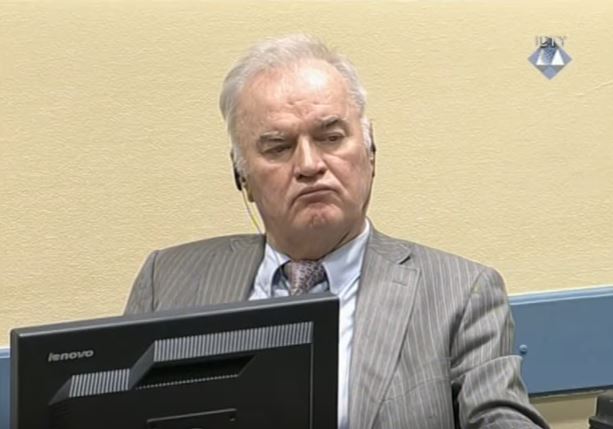
Ratko Mladic, the former Bosnian Serb military commander convicted of genocide, crimes against humanity and war crimes, has died while serving a life sentence in The Hague. He was 84.
The International Residual Mechanism for Criminal Tribunals said Mladic died on Thursday while hospitalised in the Netherlands. Dutch authorities began the procedures required under national law, and the mechanism’s president, Judge Graciela Gatti Santana, ordered a full inquiry led by Judge Iain Bonomy into the circumstances of the death.
Convictions that remain in force
Mladic commanded the Main Staff of the Army of Republika Srpska during the 1992-1995 Bosnian war. He was arrested in Serbia on 26 May 2011 after years as a fugitive and transferred to The Hague.
In November 2017, the International Criminal Tribunal for the former Yugoslavia convicted him on ten counts. They included genocide for the July 1995 Srebrenica killings, persecution, extermination, murder, deportation, forcible transfer, terror and unlawful attacks on civilians in Sarajevo, and taking United Nations personnel hostage. He received a life sentence.
An appeals chamber upheld the convictions and sentence in June 2021. His death does not vacate or reduce those judgments. At the time of his death, he was awaiting transfer to a state designated to enforce the remainder of his sentence.
Srebrenica and Sarajevo
More than 8,000 Bosniak men and boys were killed after Bosnian Serb forces captured the UN-declared safe area of Srebrenica in July 1995. International courts have recognised the massacre as genocide. Forces under Mladic’s command also conducted the prolonged siege of Sarajevo, where shelling and sniper fire killed civilians and made ordinary urban life dangerous for years.
Those findings are legal conclusions reached after lengthy trials and appeals, not descriptions dependent on contemporary political opinion. They form part of the established record of international criminal law.
Reactions expose unresolved divisions
Survivors’ groups said his death in custody meant the sentence had at least been enforced, while stressing that denial and glorification of convicted perpetrators continue to obstruct reconciliation. Serbian President Aleksandar Vucic criticised the UN mechanism for rejecting requests that Mladic be released on health grounds. Officials and political figures in parts of Bosnia and Serbia issued sharply different assessments of his legacy.
The mechanism had rejected his latest early-release application shortly before his death. The new inquiry is a standard accountability step and should establish medical care, chronology and compliance with detention rules. Ordering an inquiry does not itself indicate wrongdoing.
Mladic’s death closes the detention of one individual but not the social and political disputes created by the war. The durable record remains the testimony of survivors, identified victims, mass-grave evidence and final court judgments that documented how organised violence was used against civilians.