Climate change has reduced suitable habitat for European bumblebees, attribution study finds

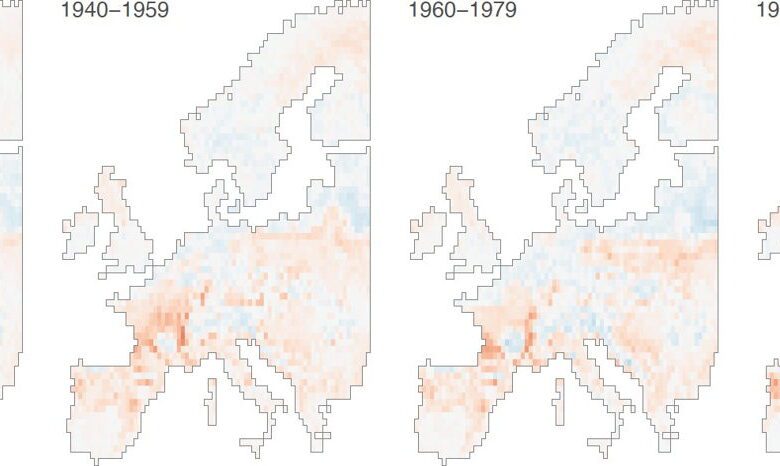
Human-caused climate change has reduced average habitat suitability for European bumblebee species by about 5%, according to a peer-reviewed attribution study published in Nature Climate Change.
The researchers analysed more than 400,000 georeferenced records covering 47 species and compared the climate that actually occurred from 1901 to 2019 with a counterfactual climate without the same human influence.
Losses are uneven
Local reductions reached as high as 19%, with the strongest negative effects in southern Europe and the lowlands of central Europe. Some alpine and boreal regions gained climatic suitability, but those gains only partly offset wider losses. The signal became stronger from the 1980s onward.
The result concerns modelled habitat suitability, not a direct count showing that every bumblebee population fell by 5%. Land-use change, pesticides, disease and habitat fragmentation can also affect bees and were not converted into one single climate number by this analysis.
Why attribution is useful
A simple correlation can show that bee distributions moved as temperatures changed. Attribution compares the observed world with a physically informed counterfactual, helping estimate how much of the suitability change is linked specifically to anthropogenic warming.
Conservation responses include protecting flower-rich habitat, connecting cooler refuges across landscapes and reducing non-climate pressures. Because species respond differently, local monitoring remains necessary rather than assuming one Europe-wide outcome.
Sources: peer-reviewed Nature Climate Change paper; Vrije Universiteit Brussel research summary and image credits.
European bumblebee species included in the study. Photo montage credited by Vrije Universiteit Brussel; individual photographs under CC BY/CC BY-SA as listed by the source.