
IMF Says Global Growth Has Held Near 3%, but Energy and Debt Risks Persist

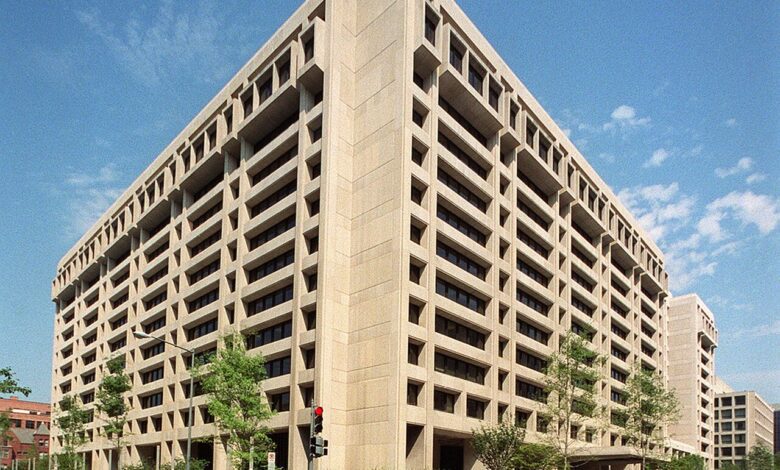
The International Monetary Fund says the global growth outlook for 2026 has firmed at around 3%, a better outcome than many feared during the energy shock. But the Fund’s latest message is not one of complacency: it says the shock is not over and that governments are operating with limited room to absorb another disruption.
In a statement after the G20 finance ministers’ meeting, IMF Managing Director Kristalina Georgieva pointed to a mix of resilience and risk. Energy reserves, alternative supplies and demand management have softened the initial blow, while investment linked to artificial intelligence has supported growth in some economies.
Why the IMF remains cautious
The Fund highlighted three interconnected risks: energy disruption, high public debt and uneven growth. It said the Strait of Hormuz remained largely closed, strategic oil and gas reserves would eventually need replenishing and the northern-hemisphere winter would add to energy demand.
It also said global public debt is close to 100% of gross domestic product, above post-Second World War highs. Debt does not have the same meaning in every country, but high debt can narrow the choices available when governments need to respond to a recession, disaster or fuel-price surge.
Growth is not being shared evenly
A global headline rate can conceal large differences between countries and households. Economies with strong investment, resilient institutions or domestic energy resources may fare differently from those facing high import bills, currency pressure or weak fiscal capacity.
The IMF’s policy prescription centres on sound fiscal and monetary policy, structural reforms and international cooperation on debt and imbalances. Those are long-term goals, but they become more urgent when the world economy is exposed to overlapping shocks.
What to watch next
Energy-market developments, inflation expectations, debt-service costs and central-bank decisions will shape whether the current resilience lasts. The IMF’s outlook is a baseline, not a guarantee: its central warning is that the global economy has endured the first phase of the shock better than expected, while remaining vulnerable to the next one.
Sources
- IMF Managing Director statement after the G20 meeting
- IMF World Economic Outlook briefing
- Featured-image provenance



.jpg)