Record-Hot August Keeps Climate Risk in Focus as El Niño Strengthens


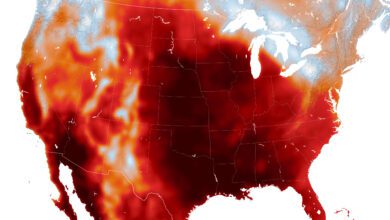
August 2026 was the hottest August in the modern global record, according to the World Meteorological Organization’s summary of datasets from Copernicus, NOAA and NASA. The finding adds another marker to a run of unusually warm months that is raising the stakes for heat, drought, heavy rainfall and wildfire planning.
NOAA placed the month at 1.32 degrees Celsius above the 20th-century average. Global averages are not a measure of conditions in every town or country, but they describe the background climate in which local extremes now occur.
El Niño adds a further climate signal
The WMO says El Niño has a near-100% likelihood of persisting through February 2027. El Niño changes tropical Pacific conditions and can influence weather patterns around the world, although its effects differ by region and season.
That distinction is important. A strong climate signal does not by itself predict a specific flood, cyclone or drought in a particular place. Local weather systems, land use, preparedness and short-term forecasts still determine what communities experience.
Why the record matters
Warmer oceans and air can increase the energy and moisture available to weather systems. Scientists assess these changes through long-term observations, modelling and event-specific attribution work rather than by linking every extreme event to climate change on sight.
The immediate policy question is practical: whether public-health systems, infrastructure operators, farms and emergency agencies are prepared for hotter conditions and more volatile weather risks. Heat action plans, early warnings, resilient power systems and locally credible communication can reduce harm even where the underlying climate trend cannot be reversed quickly.
Reading climate statistics carefully
Temperature anomalies use a historical reference period, so the choice of baseline matters. The broad conclusion across the major datasets, however, is consistent: August was exceptionally warm globally, and climate agencies expect El Niño to remain an important factor in the months ahead.
Sources
- World Meteorological Organization August climate summary
- NOAA global climate assessment for August 2026
- WMO El Niño/La Niña update