Europe’s West Nile Map Reaches 161 Affected Areas: What the ECDC Count Shows

Europe’s West Nile virus surveillance map grew again in the latest weekly update from the European Centre for Disease Prevention and Control, but the figures need to be read with the caution the agency itself attaches to them.
The ECDC’s Week 37 overview was published on September 11 and is based on information submitted through September 10. It identifies 161 areas with locally acquired human West Nile virus infections in 15 countries during the 2026 transmission season. Sixteen were reported as affected for the first time that week.
The update records 1,285 locally acquired human cases. Italy reported 590, Greece 319, Spain 104, Romania 77, North Macedonia 57, France 49 and Serbia 37. The Netherlands reported 19, Croatia and Cyprus 10 each, Austria five, Hungary four, Germany two, and Albania and Kosovo one each. Greece’s total includes nine cases for which the place of infection was unknown.
Those numbers matter for public-health planning. They are not a simple measure of how many people across Europe have been infected, how severe every local situation is, or where a traveller will certainly encounter the virus.
What the weekly map is designed to do
The ECDC says an affected area is one in which local transmission to people has been identified through at least one locally acquired human case during the current season. “Locally acquired” means the infection was acquired within the reporting country. The agency’s table and map draw on human case data reported to EpiPulse Cases; they do not include animal-surveillance data.
That focus is deliberate. The weekly product is intended to help authorities responsible for blood, blood components and other substances of human origin decide when donor deferral or testing may be needed. Its main practical value is therefore rapid, comparable awareness of where local human transmission has been reported.
It is not a complete epidemiological assessment of West Nile transmission in Europe. The ECDC says so explicitly. A map of reported human cases will always reflect the timing of testing, reporting rules, local surveillance capacity and the fact that many infections may never come to clinical attention. It should not be used to rank countries by overall safety or to imply that every district in a country is affected.
The 161-area figure is still significant because it shows that the season’s documented geographic footprint is broad. Italy had 64 affected areas in the update, Greece 21 and Romania 20. France had 14 and the Netherlands 10, followed by smaller counts in the other countries listed by the agency. The 16 newly affected areas signal change since the preceding weekly report, not necessarily a sudden change in biological risk on September 11 itself.
What West Nile virus is
West Nile virus is most commonly transmitted to people through the bite of an infected mosquito. Mosquitoes can become infected after feeding on infected birds, which is why public-health agencies watch both human cases and animal indicators. Seasonal timing, temperature, rainfall, standing water, bird populations and local mosquito ecology can all influence transmission, so patterns differ across regions and from year to year.
Most people infected with West Nile virus do not develop symptoms, according to the US Centers for Disease Control and Prevention. When illness occurs, it can include fever, headache, body aches, vomiting, diarrhoea or a rash. A smaller share of infections can cause serious disease affecting the nervous system. Age, certain chronic conditions and a weakened immune system can increase the risk of severe illness.
There is no licensed vaccine or specific medicine that prevents or treats West Nile disease in people. That makes prevention of mosquito bites and timely clinical advice important, but it does not mean every mosquito bite is a medical emergency. People with symptoms or concerns should follow local public-health guidance and seek medical advice, especially if they develop severe symptoms.
A data point, not a reason for panic
The update’s strongest message is about preparedness. Blood services and health authorities need timely information because infection can sometimes be transmitted through blood transfusion or organ transplantation. The ECDC’s purpose statement makes that connection clear, and it is one reason the weekly reporting system focuses on areas with locally acquired human cases.
For the public, sensible measures are much less dramatic. Official guidance commonly emphasises avoiding mosquito bites, using window and door screens where feasible, wearing protective clothing outdoors and using locally approved repellent as directed. Household and community mosquito-control measures can also lower exposure. The details may vary by country, so national or local health guidance should take precedence.
Readers should also be wary of headlines that convert a surveillance update into a blanket travel warning. The ECDC report is a tool for identifying reported transmission areas. It is not a statement that Europe as a whole faces the same level of risk, a prediction of seasonal totals or a count of every infection. The agency separately publishes a more detailed joint monthly report with the European Food Safety Authority that includes broader human, bird and equine information.
What to watch next
The next weekly updates will show whether mapped areas and notified cases continue to rise, stabilise or shift as the season progresses. Comparisons are most useful when they preserve the same data cut-off and definitions. A total published later may be higher partly because more cases occurred and partly because earlier cases were confirmed or reported after the previous deadline.
For now, the verified picture is specific: by September 10, 15 countries had reported 1,285 locally acquired human cases in 161 affected areas, and 16 areas were new to the week’s map.
Sources
- ECDC Week 37 West Nile surveillance update
- US CDC: West Nile virus background
- US CDC: prevention guidance
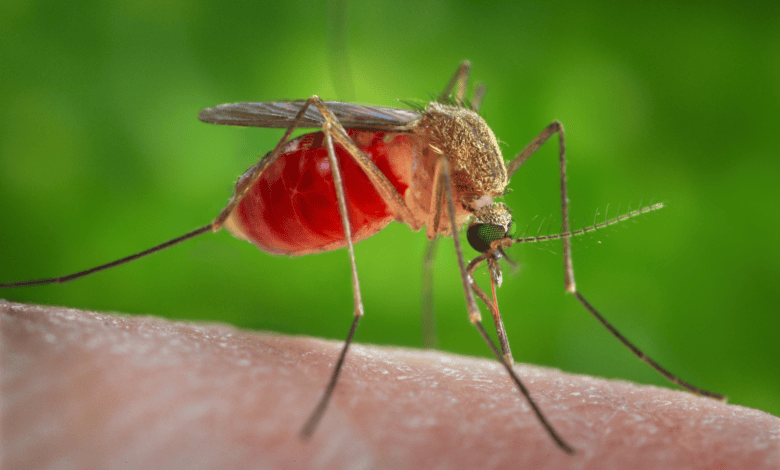
Featured image: Culex quinquefasciatus, James Gathany/CDC, public domain. File photograph of a mosquito species known to transmit West Nile virus in the southeastern United States; it does not depict the European surveillance cases.