Congo Ebola Death Toll Passes 4,000 as Treatment Centre Is Attacked

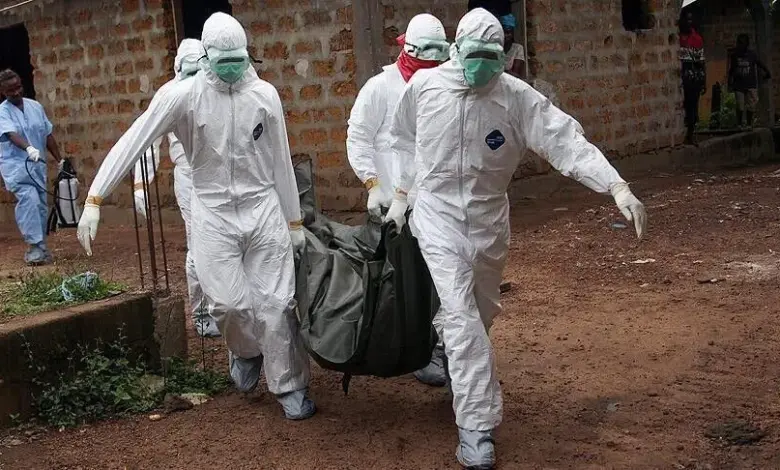
BUNIA, October 3, 2026 — The Ebola outbreak in the Democratic Republic of the Congo has passed 4,000 reported deaths, while an attack that burned a treatment centre has further weakened the response in the country’s east.
Congo’s Health Ministry reported 4,018 deaths among 8,300 cases after the outbreak was declared on May 15, according to the Associated Press. The European Centre for Disease Prevention and Control separately listed 8,224 confirmed cases and 3,982 deaths using data through September 29. The difference reflects reporting cut-off dates and should not be treated as a contradiction.
The outbreak is caused by Bundibugyo virus. The World Health Organization says it has expanded across eastern health zones and has surpassed previous Congolese outbreaks in confirmed cases. Ituri remains the most affected province, with North Kivu also recording rapid growth.
Violence is now part of the health emergency
A treatment facility was burned as responders faced distrust and claims that Ebola is a hoax. Damaging a centre removes isolation beds, protective systems and a trusted route to testing and treatment. It can also increase risk for families who care for sick relatives at home without protective equipment.
Health workers have protested unpaid wages, adding another operational threat. Containment depends on trained teams for surveillance, laboratories, safe care, vaccination where appropriate, contact follow-up and dignified burials. Delayed pay can drive exhausted staff away when caseloads are rising.
What people should know
Ebola spreads through direct contact with blood or other bodily fluids of a sick or deceased infected person, or contaminated materials. It is not spread through ordinary long-distance airborne transmission in the way measles is. Early isolation and supportive medical care improve safety and outcomes.
The high reported fatality rate is a warning, but it can change as testing finds additional cases and treatment access improves. Public figures should always be read with their reporting date and case definition.
Authorities and aid agencies face a dual task: expand clinical capacity and rebuild trust through local leaders, transparent data and respectful care. Security for facilities must not become a substitute for community engagement.
Image: MSF response map for eastern Congo and Uganda, 19 August 2026. Sophie Müller/MSF, CC BY 4.0.