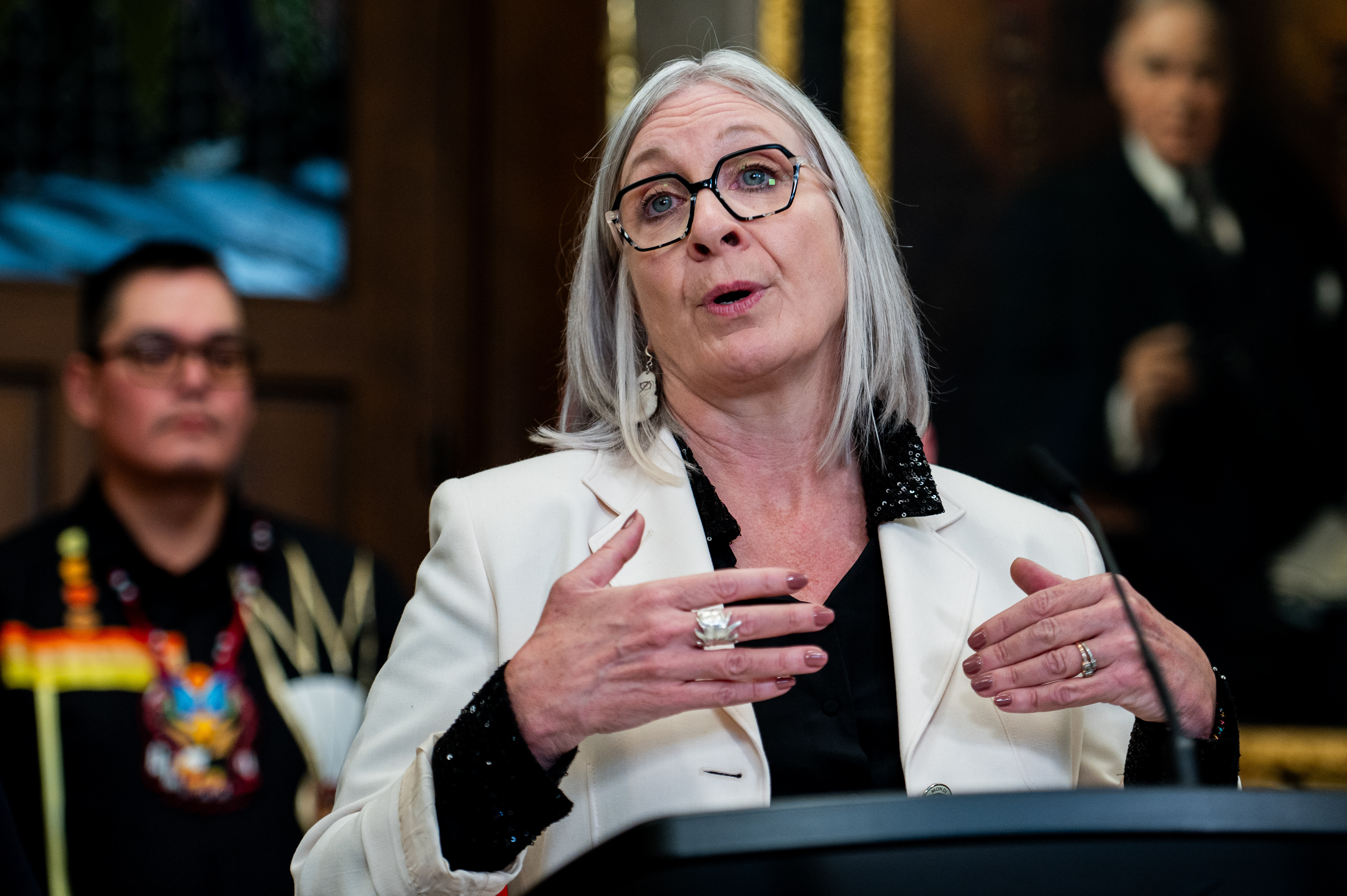
Assembly of First Nations National Chief Cindy Woodhouse Nepinak urged members of Parliament in October 2024 to advance Bill C-61, proposed legislation intended to establish stronger protections for drinking water and wastewater in First Nations communities. She called clean water the leading priority and warned that an unstable minority Parliament left little time.
What Bill C-61 proposed
The First Nations Clean Water Act was introduced in December 2023 and completed second reading in June 2024. It sought to recognize First Nations jurisdiction over water services, establish minimum national standards, protect source water and create a framework for adequate, predictable funding.
The bill was referred to the House of Commons Standing Committee on Indigenous and Northern Affairs. Indigenous Services Minister Patty Hajdu described it as co-developed with First Nations, while some leaders disputed whether consultation had been sufficient or whether the text met their requirements.
Why trust was central
Woodhouse Nepinak said the federal government acknowledged its responsibility publicly while advancing a different position in litigation. The dispute included Shamattawa First Nation, a Manitoba community that had faced a long drinking-water advisory and pursued legal action.
Government legal arguments and political commitments are assessed in different forums, but inconsistency between them can deepen distrust. Legislation needed to create enforceable duties and dependable resources rather than rely only on announcements.
Infrastructure is only one part of safe water
Building a treatment plant does not guarantee safe service for decades. Communities also need trained and retained operators, testing, maintenance, emergency planning, replacement reserves and enough revenue to meet changing source-water conditions.
Source protection can extend beyond reserve boundaries, where provincial, municipal, industrial and federal decisions affect the same watershed. Effective rules therefore require agreements that respect First Nations jurisdiction while coordinating responsibilities among governments.
The 2024 bill did not become law
The committee held 18 study meetings from June through November 2024, heard 94 witnesses—including 27 from First Nations and representative organizations—and made more than 40 amendments. Its report was presented to the House in December.
Parliament was prorogued on January 6, 2025, terminating all pending bills, including C-61. The failure was procedural in form but substantive in effect: the proposed protections never received royal assent.
A successor arrived in 2026
The federal government introduced Bill C-37, also called the First Nations Clean Water Act, in June 2026. It again proposed legally enforceable protections, recognition of inherent self-government, minimum standards, source-water cooperation, a co-developed funding framework and support for a First Nations-led water commission.
Ottawa paired the proposal with targeted funding, but introduction is not enactment. The new bill remained subject to parliamentary review and possible amendment, and First Nations rights-holders still needed a meaningful role in deciding whether its language and resources were adequate.
How to judge progress
The number of long-term advisories lifted is important but incomplete. Public reporting should also show advisories that recur, systems at risk, operator vacancies, infrastructure condition, water-quality results and whether funding meets independently assessed lifecycle costs.
Accountability must distinguish a temporary repair from a durable service standard. A community should not lose attention as soon as one advisory disappears from a national tally.
The unresolved obligation
Woodhouse Nepinak’s 2024 appeal was not simply a request to pass any bill quickly. It reflected decades in which many First Nations lacked protections comparable to those expected elsewhere in Canada.
The demise of C-61 confirmed her warning about delay. C-37 created another legislative opportunity, but the measure of success remains concrete: enforceable rights, sufficient long-term funding, protected water sources and reliable service designed and governed with the affected First Nations—not merely another promise on Parliament’s agenda.