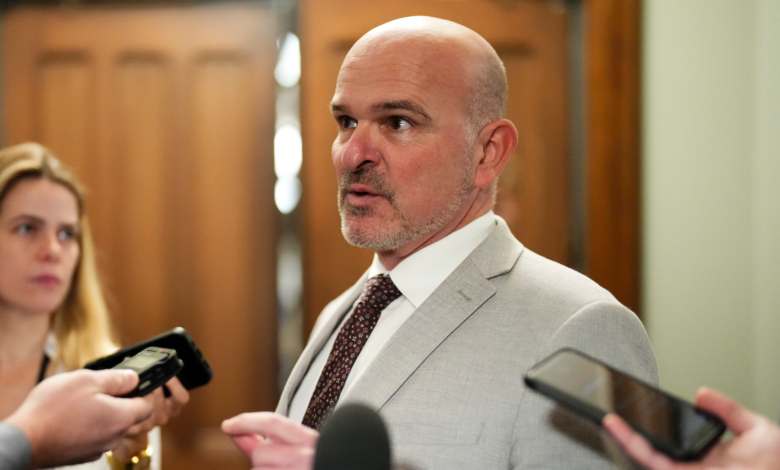
Canada’s House of Commons ethics committee voted in November 2024 to reopen its study of Liberal cabinet minister Randy Boissonnault’s relationship with Global Health Imports. Newly filed WhatsApp messages showed his former business partner saying he was updating “Randy” about a separate multimillion-dollar deal. Boissonnault denied that he was the person in the messages or involved in the company’s business while serving in cabinet.
How the controversy began
Boissonnault and Stephen Anderson co-founded Global Health Imports at the beginning of the COVID-19 pandemic in 2020. Boissonnault said he left the company in the autumn of 2021. Questions arose after lawsuits alleged the company had failed to pay suppliers and business messages referred to someone named Randy.
Conflict-of-interest rules restrict ministers’ participation in private business. The core factual question was therefore whether Boissonnault remained involved after returning to cabinet, not simply whether he once co-founded the firm.
The new court material
An affidavit filed in an Edmonton court on November 6 included correspondence in which Anderson told another client he was updating “Randy” on a deal. Conservative ethics critic Michael Barrett cited the document in moving to call Boissonnault and additional witnesses. The committee approved the motion six votes to five, with Liberal members opposing it.
Boissonnault’s communications director said Anderson had used the minister’s name without permission and that Boissonnault was not involved in any of the referenced conversations. That denial needed to be reported alongside the messages. A first name in a text is suggestive context, not independent identification of its recipient.
Why Anderson’s evidence was disputed
Committee members had previously questioned Anderson and some described him as unreliable. He was not called back in the same motion, while parliamentarians considered a contempt finding over his refusal to answer questions or provide requested documents.
A witness’s credibility cannot be settled by partisan description alone. Contemporaneous records, device metadata, company filings, bank documents and testimony tested under clear procedures are more useful than competing assertions about character.
Committee scrutiny is not a court conviction
Parliamentary committees can summon witnesses, request records and report findings. Their hearings are politically contested and operate differently from a criminal court. Reopening a study does not establish that Boissonnault violated the Conflict of Interest Act or committed an offence.
Equally, a ministerial denial does not make oversight unnecessary. Public office requires transparent separation from private financial interests. Complete records can protect both the public and an official who says he has been wrongly linked to a transaction.
What accountability required
The committee needed to identify which “Randy” was referenced, when the communications occurred and whether Boissonnault exercised control or received a benefit. The Conflict of Interest and Ethics Commissioner’s verified findings would carry different weight from a party’s interpretation of a text.
The November development was an escalation in scrutiny, not a final verdict. Accurate coverage should keep the allegation, denial, procedural vote and documentary evidence distinct. Readers deserve the eventual committee and ethics findings, including any exonerating evidence, rather than a permanent headline built around an unresolved first name.