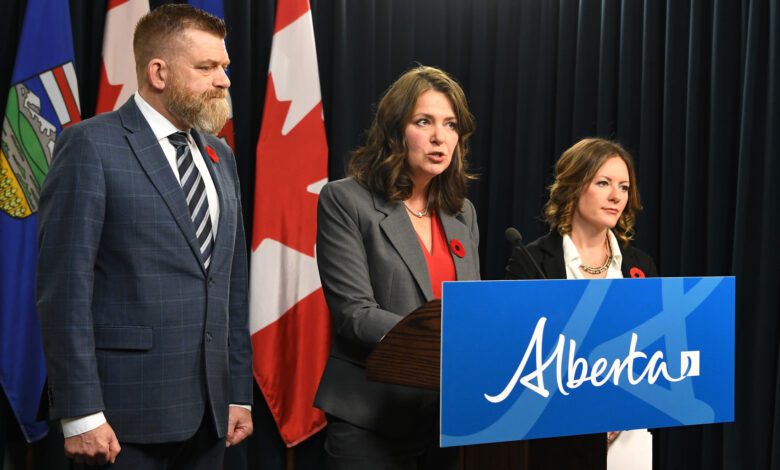
Alberta Premier Danielle Smith and oil-industry groups criticised federal draft regulations released in November 2024 that proposed a cap-and-trade system for greenhouse-gas emissions from upstream oil and gas production and liquefied natural gas facilities.
Smith described the proposal as a production cap and warned it would reduce investment and output. The federal government said it capped pollution rather than production and provided flexibility for companies to reduce emissions, trade allowances or use limited compliance options.
What the draft regulations proposed
The system would cover oil sands production and upgrading, conventional onshore and offshore production, natural-gas production and processing and LNG production. Refineries and downstream distribution were outside this particular cap, although they remained subject to other climate and fuel rules.
Facilities would receive emissions allowances and need one allowance for each covered tonne. Companies emitting below their allocation could bank or sell allowances, while higher emitters would have to reduce pollution or obtain permitted compliance units. Annual reporting was intended to establish a verified basis for enforcement.
The proposed level and timetable
The draft contemplated using reported 2026 data to set the first cap for the 2030–2032 compliance period at 27% below 2026 emissions. Federal modelling said that would be approximately 35% below the sector’s 2019 emissions, with a higher legal upper bound after limited offsets and contributions to a decarbonisation fund.
These were proposed rules open to consultation through January 8, 2025, not a final operating limit on the day they were announced. Final design, timing and interaction with other federal and provincial policies could change through the regulatory process.
Why Alberta and industry objected
Critics argued that technology and infrastructure might not cut emissions fast enough while production grew, forcing companies to reduce output or move capital elsewhere. Alberta also challenged Ottawa’s jurisdiction and said the sector was being treated differently from other parts of the economy.
The federal case was that oil and gas was Canada’s largest emitting sector and needed a defined pathway consistent with national climate targets. Supporters argued a declining cap would create investment certainty for methane control, electrification and carbon capture, while critics questioned cost, feasibility and duplication with carbon pricing.
How to assess competing claims
A cap on emissions is not textually a quota on barrels or cubic metres. However, if affordable emissions reductions and compliance options are insufficient, it can constrain production in practice. Whether that occurs depends on final allowance levels, technology performance, energy prices and the cost of credits.
Claims that the proposal would either destroy the industry or leave production entirely unaffected require modelling assumptions that should be disclosed. Useful evidence includes facility-level emissions, marginal abatement costs, projected output and treatment of imported energy.
Because federal policy evolved after 2024, current readers should verify whether final regulations were adopted, amended or replaced. The angry reaction in the headline accurately describes the political response to the draft; it is not a substitute for the final legal text.
Source: Government of Canada oil and gas emissions-cap proposal and consultation record.