Forced From Home by War, They Found Solace in Soccer
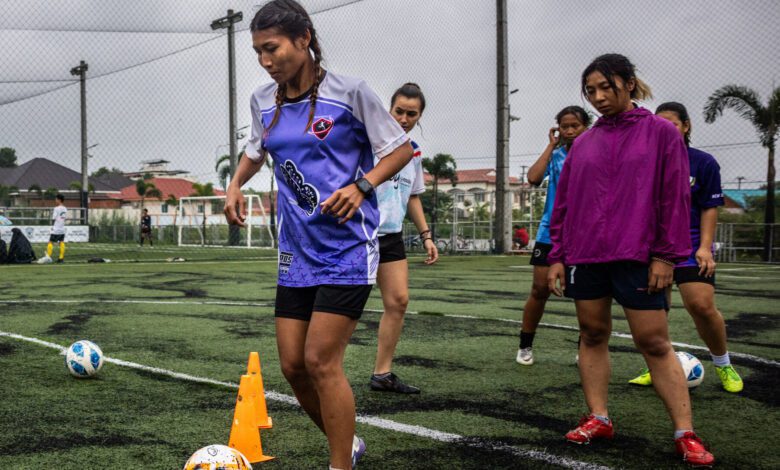
Girls and women displaced from Myanmar found community through football in Mae Sot, a Thai border city transformed by people fleeing military rule and civil war. Weekly sessions organized by the non-profit PlayOnside offered exercise, social connection and a temporary reprieve from insecurity while challenging gender restrictions around sport.
Mae Sot had long hosted migrants
The city is a major trade and migration hub opposite Myanmar. Its Burmese population expanded after the military seized power in February 2021 and attacked opponents, sending activists, workers and families across the border.
Population estimates varied because many residents lacked regular immigration status and were not captured in official counts.
Football created an accessible shared routine
Players could practise without needing to explain their political histories each week. Running, teamwork and laughter created a space where participants were more than refugees, undocumented workers or survivors.
Sport can support wellbeing, though it is not a clinical substitute for trauma care or legal protection.
Nyein Pyae Sone Naing began as an adult
She had worked for Myanmar’s football federation but had been discouraged from playing. After protesting the coup, facing an incitement charge and serving as a medic with resistance forces, she reached Mae Sot in 2022.
Her first practice was difficult, but encouragement from her teenage son helped bring her back.
Other women brought long football histories
Ei Ei Aung had played youth football in Mandalay and said the game helped her forget stress. Fah Sai, an ethnic Karen woman born in a Thai refugee camp, joined a team of women from camps despite restrictions on movement.
Their experiences show that displaced communities are diverse, not one undifferentiated group.
Gender barriers shaped participation
Some schools sent boys but not girls, and families considered football inappropriate for women. Early players worried about clothing or needed permission from male relatives.
PlayOnside grew from a handful of female players in 2017 to sessions involving dozens, showing how sustained access can change expectations.
Practical design removed obstacles
The organization offered free transport and scheduled activities for participants’ children at the same time. Those choices recognized that safety, travel and care work—not lack of interest—often prevent women from joining.
Inclusive programmes require safeguarding, trained coaches and genuine consent as well as open registration.
Conversation accompanied the matches
After practice, participants gathered for facilitated discussions about stress and daily life. Peer connection helped women realize that others faced similar uncertainty over work, policing, asylum and return home.
Confidentiality is crucial when political surveillance and immigration consequences are real fears.
Football could not resolve displacement
Thailand had sheltered refugees for decades but also restricted movement and pushed some recent arrivals back. Players still needed legal status, safe work, education, health care and protection from return to danger.
The football field mattered because it restored agency and belonging within that unresolved reality. A growing women’s league challenged exclusion and allowed displaced people to build community on their own terms. Their resilience should inspire support for rights and security, not become an excuse for governments to leave those needs unmet.