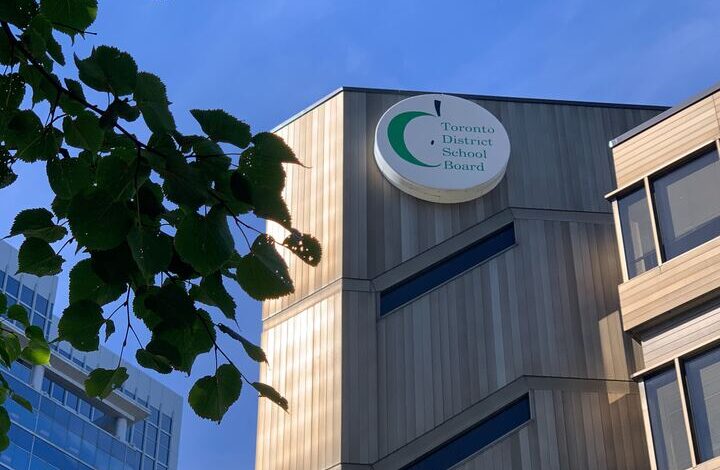
Ontario ordered a review after Toronto District School Board students attended the Grassy Narrows River Run in September 2024 and encountered political chants during the event. The controversy raised legitimate questions about consent, supervision and educational purpose, alongside exaggerated claims later rejected by the reviewer.
The excursion focused on Grassy Narrows
The September 18 event highlighted mercury contamination and the long campaign by Grassy Narrows First Nation for remediation and health support. Schools described attendance as an opportunity to hear Indigenous voices and observe civic participation.
A real-world learning goal does not eliminate the need for precise parental information and risk planning.
Other political messages appeared
Pro-Palestinian slogans were heard during the gathering, leading some parents and politicians to argue that students had been taken to a protest beyond the stated purpose. Reports varied over whether students participated or merely observed.
Video fragments could not by themselves establish instructions given to every group.
The board apologized and opened a review
TDSB acknowledged concerns and began examining how the trip was approved and communicated. It temporarily restricted school-based excursions that could involve an organized protest, march or rally unless senior officials approved an exception.
Immediate safeguards were reasonable while facts were gathered, but they were not findings of misconduct.
Ontario appointed an external reviewer
Education Minister Jill Dunlop selected Patrick Case, a former provincial equity official, to review policies and events. The ministry framed the matter as protecting students from being used for political advocacy.
Independence depended on access to records, diverse interviews and publication of the reviewer’s reasoning.
The later report found policy failures
The final report concluded that TDSB did not comply with its own excursion policy and procedures intended to ensure student safety. Problems included approval, planning and information given before attendance.
Those findings justified corrective action without requiring sensational claims about what children were forced to do.
Two serious allegations were not supported
The reviewer found no evidence that students were forced to participate in a political protest and no evidence that their physical safety was compromised. Those conclusions are essential to an accurate retrospective account.
A policy breach and a disproven allegation can coexist; neither should erase the other.
Future trips need informed consent
Parents should receive the educational objective, itinerary, likely public activities, supervision plan and an honest description of political content. Students need a genuine alternative when participation could imply endorsement of a position.
Teachers also require a plan for leaving if an event changes materially.
Civic education remains possible
Schools can teach protest, Indigenous rights and contested public questions without directing students to adopt a political view. Preparation should include evidence, competing perspectives and reflection after the event.
The case called for stronger process, not the removal of difficult issues from education. Its measured conclusion was that TDSB failed to follow policy, while claims of forced advocacy or physical danger were not substantiated by the external review.
Publishing both conclusions allowed families to demand improvement without spreading claims the evidence did not support.