Okanagan RCMP urged residents to secure homes and vehicles after several suspected thefts and attempted thefts were captured on residential cameras in November 2024. The advice focused on reducing easy opportunities while reminding the public to report suspicious activity rather than confront a person.
A doorstep incident in Kelowna
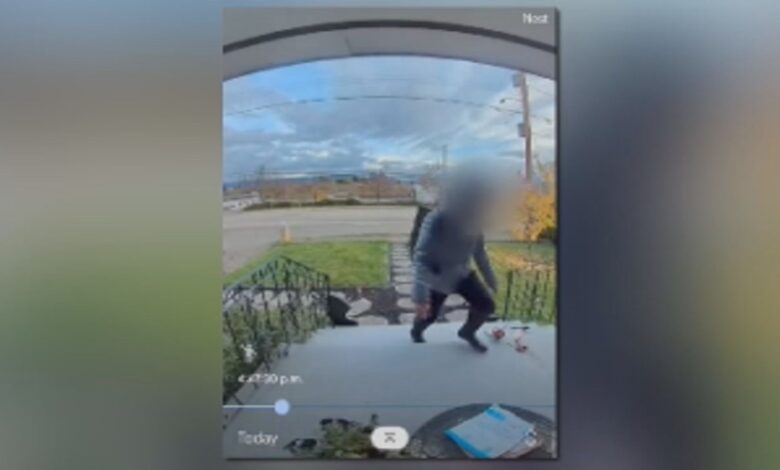
Kelowna resident Erica Krauseneck watched through her doorbell camera as a woman appeared to look around her property while she was away. A neighbour spoke to the woman, who left, and then secured an Amazon delivery for Krauseneck.
The video was unsettling, but the conduct remained alleged. A camera clip can show actions at one angle; it does not automatically prove identity or criminal intent. Sharing unverified images with accusations can expose an innocent person to harassment.
Vehicles as targets of opportunity
Police have repeatedly said unlocked vehicles, visible valuables and keys left inside make theft easier. Residents were advised to close windows, lock doors, remove bags, wallets and cash, and avoid leaving a running vehicle unattended.
Parking in a visible, well-lit location can deter some opportunistic crime. Keys and garage-door openers should be kept secure because access to a vehicle can create a route into a home or reveal an address through documents.
Useful security cameras have limits
A visible camera may deter someone and footage can help investigators establish time, direction and appearance. Homeowners should aim equipment at their own entrances and parking areas, use strong account passwords and preserve original files after an incident.
Cameras do not replace locks, lighting or neighbour communication. Cloud accounts can be compromised, notifications can be delayed and poor placement may record only a partial view.
What to do during suspicious activity
If a crime is in progress or someone faces immediate danger, residents should contact emergency services. Non-urgent discoveries can be reported through the local police channel with the time, location, description and original footage.
Following or physically confronting a suspected thief can escalate risk and contaminate evidence. A neighbour’s verbal intervention worked in Krauseneck’s case, but people should make decisions based on safety and police guidance rather than assume every encounter will end peacefully.
Avoiding fear and victim blame
Locking a door reduces risk; forgetting does not make a victim responsible for another person’s crime. Prevention advice should empower residents without implying that only careless people are targeted.
One viral clip also does not establish that an entire neighbourhood is unsafe. Police data on reported break-ins, vehicle thefts and clearance rates provides better evidence about trend and location.
Community prevention
Neighbours can collect deliveries, maintain lighting and report patterns while respecting privacy. Building managers can repair access controls and provide secure parcel storage. Municipal design, outreach and services addressing repeat offending also form part of prevention.
The Okanagan warning was straightforward because many useful steps are simple: lock access points, remove visible targets, retain evidence and report promptly. The more careful message is equally important. Security footage supports an investigation; it should not become a substitute for one or a reason for online vigilantism.