The Romance Scammer Who Made a Small Fortune Posing as a WWE Superstar

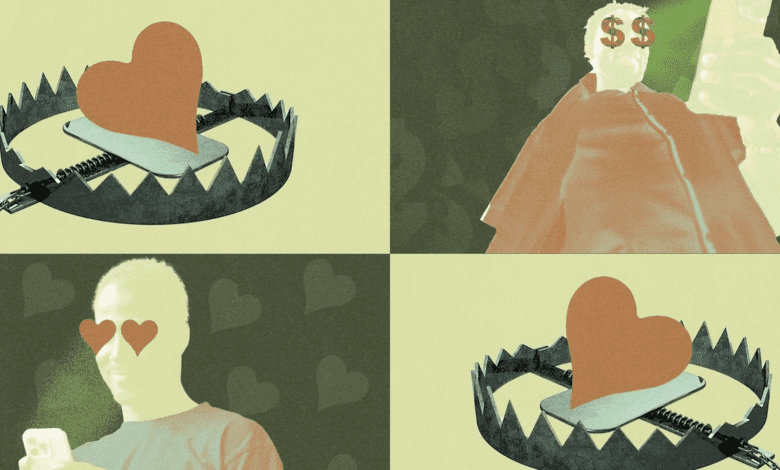
A Nigerian romance scammer identified as Chibuike extracted about €78,000 over four years from an Irish woman while impersonating professional wrestler Cody Rhodes, according to reporting in Carlos Barragán’s 2026 book The Yahoo Boys. The case shows how patient emotional manipulation can turn many modest payments into a devastating loss.
How the impersonation began
Chibuike had struggled with other online fraud formats before creating a fake celebrity identity. His familiarity with professional wrestling helped him mimic Rhodes’s public life and schedule. In 2018 he contacted a woman referred to by the pseudonym Theresa and used an altered identity document, a phone call and invented personal details to persuade her that she was speaking privately with the wrestler.
The first request was framed as a fee connected to meeting him. Theresa sent three gift cards worth €100 each. The payment established a pattern: affection and constant contact were followed by a new obstacle that money could supposedly solve.
Why the story kept changing
The impersonator claimed that Rhodes’s accounts were frozen because of a divorce, although Rhodes was not divorced. He invented a secret daughter and requested help for health, travel and family expenses. When the real wrestler appeared hurt during a match, the scammer used that public event as another reason to seek recovery money.
The most profitable device was a promised trip to Ireland. Over three years, Theresa endured 25 purported visits that failed at the last moment. At times the scammer created another email identity, such as a supposed driver, to make a fresh travel fee seem independently verified.
Payments generally remained below €600 and often arrived as gift cards. The scammer converted their value through cryptocurrency into Nigerian currency. Because no single request resembled the total loss, the financial damage accumulated gradually alongside emotional dependency.
This was coercive manipulation, not gullibility
Romance fraud exploits loneliness, trust and the normal desire to preserve an important relationship. Scammers may communicate for hours, isolate a target from friends and create private codes that make the relationship feel exclusive. Shame then makes it harder for a victim to ask for help or report the loss.
The celebrity angle adds a ready-made explanation for secrecy: the impersonator can claim that managers, publicists or a high-profile dispute prevent video calls and public meetings. In reality, a celebrity does not need gift cards from a fan to pay medical, legal, customs or travel costs.
How to interrupt a romance scam
Stop sending money and preserve messages, account names, phone numbers, receipts and wallet addresses. Independently contact the person through a verified official channel; do not use a link or number supplied by the suspected impostor. Reverse-search profile images and check whether the same script or identity appears in scam warnings.
Gift cards, cryptocurrency, wire transfers and payment through a third party are high-risk requests because recovery is difficult. A sudden emergency, repeated failed visit or demand for secrecy should trigger a conversation with a trusted person and the bank or payment provider. Victims can also report to their national fraud-reporting and police services.
The wider lesson
Barragán’s account examines the social conditions and people behind “Yahoo Boy” fraud, but economic hardship does not excuse deliberate exploitation. It is also wrong to stigmatize Nigerians generally for crimes committed by particular networks.
The Cody Rhodes impersonation succeeded through time, research and control rather than a single sophisticated technical trick. Recognizing that pattern—and responding without blaming the victim—is one of the most effective ways families, platforms and financial institutions can prevent another four-year loss.
source