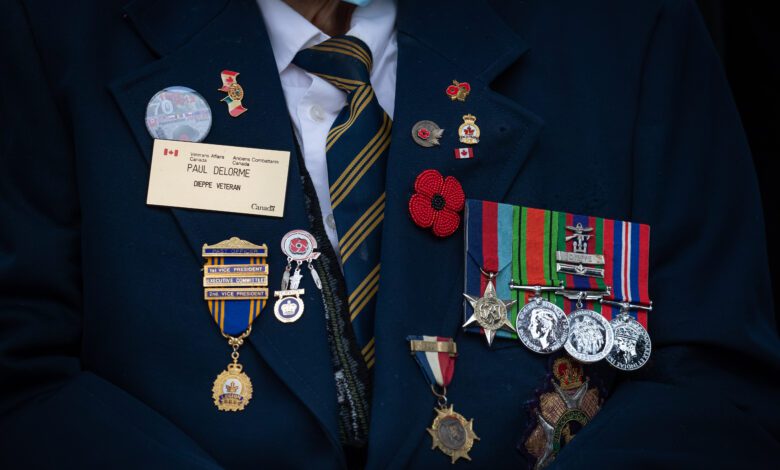
Thousands gathered at Vancouver’s Victory Square on November 11, 2024 for a Remembrance Day service marking the ceremony’s 100th consecutive year at the site. The observance honoured veterans, those currently serving and people who died in war, while a live broadcast allowed viewers beyond downtown Vancouver to participate.
A century at Victory Square
Vancouver describes the Victory Square service as the city’s oldest continuously held annual Remembrance Day ceremony. The tradition at that location began in 1924. Its centenary gave the 2024 gathering an added historical dimension without changing the central purpose of remembrance.
The Vancouver Remembrance Day Committee, a civic volunteer organisation, coordinates the event. The city said more than 15,000 participants and members of the public attend in a typical year, making planning, accessibility and public safety significant parts of the ceremony.
The order of remembrance
The programme began with a welcome and the national anthem. Music, a youth poem, prayer and civic remarks led toward the Last Post shortly before 11 a.m. At 11, those assembled observed two minutes of silence, accompanied by the planned 21-gun salute and followed by the Lament and Rouse.
A weather-dependent fly-past, official wreath laying and placement of a single white rose honouring veterans in care formed part of the later programme. The service concluded before a parade of veterans, military units, cadets, police, brass bands, pipes and drums moved away from the square.
Why ceremony and accuracy both matter
Repeated rituals give people a shared way to acknowledge service and loss. They do not require every attendee to hold the same view of every war or government decision. Remembrance can honour individuals while leaving room for democratic scrutiny of when and how force is used.
Historical reporting should also avoid merging distinct conflicts into a generic story. Veterans’ experiences differ by period, role, identity and circumstance. First-person testimony, service records and carefully maintained archives help preserve those differences.
The role of a broadcast
Global B.C. carried a special presentation of the Victory Square ceremony. Television and online coverage can reach veterans in care, people with disabilities and families unable to travel. A broadcast should serve the ceremony rather than make presenters its focus, provide accurate captions and respect moments intended for silence.
Remote access is not a complete replacement for an accessible public event. Organisers still need clear routes, viewing areas, sound, transportation information and support for people attending in person. Offering both forms extends participation.
Remembrance across British Columbia
Victory Square was one of many observances held throughout the province. Local ceremonies connect national history with community names inscribed on cenotaphs, families who live nearby and current service members. Coverage should recognize that scale rather than imply that Vancouver represented every British Columbian experience.
The 100th consecutive ceremony was significant because continuity requires generations of volunteers, veterans, families and residents to return. Yet longevity alone is not the measure of successful remembrance. The event remains meaningful when it accurately teaches why people are named, includes communities historically overlooked and makes space for private grief within a large civic gathering.
At 11 a.m., the programme reached the silence around which everything else was organised. The music, wreaths, parade and broadcast provided structure, but that pause expressed the essential point: public recognition of lives altered or lost in service and war.