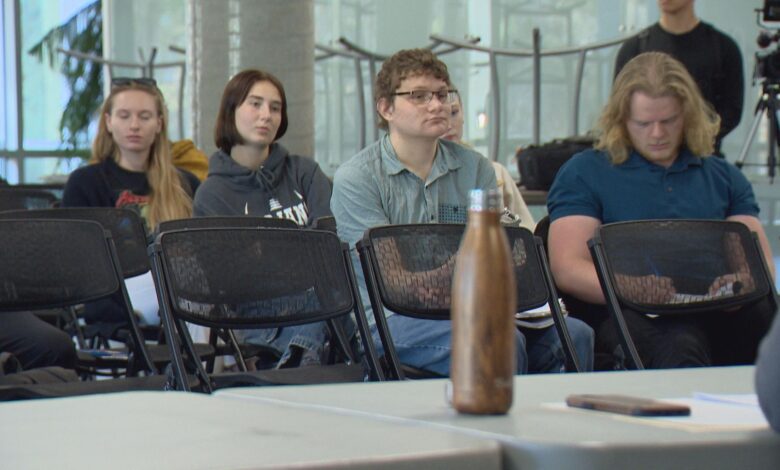
Regina mayoral candidates met students at the University of Regina in November 2024 after an invitation from campus group URPOLIS. The event sought to improve municipal-election awareness among younger voters and give students a chance to ask which contender reflected their priorities before the November 13 vote.
Why municipal politics matters to students
City decisions shape bus routes, rental development, recreation, public spaces, policing oversight, snow removal and the streets surrounding a campus. Students may move frequently or feel less tied to a ward, but they use municipal services every day and can face significant barriers when those services are designed without them.
A mayoral visit makes local government more visible. It is useful only if students can compare substantive answers rather than hear identical encouragement to vote.
Questions that test a platform
Students can ask how a candidate would increase housing near education and transit, what a promise costs, whether it requires council approval and which budget item would fund it. On public safety, they can request separate plans for emergency response, prevention, mental health and homelessness rather than a slogan.
Climate and infrastructure promises should identify timelines and measurable outcomes. A commitment to “listen to youth” should explain how appointments, advisory bodies or consultations will influence an actual council decision.
Voting barriers are practical
Young turnout is not improved by awareness alone. First-time voters need to know whether they are eligible, where they are registered, which identification is accepted and how to vote if they are away from their permanent home. Official election information should be available in accessible formats and circulated before deadlines.
Campus organizations can link to the city’s election office, host nonpartisan forums and publish responses to the same questions for every candidate. They should disclose any affiliation and avoid implying that attendance at one event is an endorsement.
Listening is different from representing
No student group has a single “youth voice.” Renters, international students, Indigenous students, young parents, people with disabilities and apprentices outside the university may prioritize different issues. A strong campaign reaches beyond the people already comfortable attending a political forum.
Candidates also need to explain trade-offs. Free or expanded services may require taxes, fees, borrowing or reduced spending elsewhere. Young voters deserve that fiscal detail rather than an assumption that only older property owners care about budgets.
After the event and election
The meeting occurred during an 11-candidate mayoral race. Chad Bachynski ultimately won. Updating the historical preview with the result prevents an old campaign page from remaining ambiguous, but it does not erase the range of issues students raised.
Civic engagement continues through council agendas, delegations, public hearings and ward contacts. Students can track whether the winner’s budgets and votes match campaign answers and whether consultation reaches the campus between elections.
The URPOLIS event created direct access at a moment when candidates needed attention from younger residents. Its most valuable outcome was not a photograph of politicians on campus. It was the opportunity to turn broad promises into recorded answers that voters could revisit once one of those candidates assumed office.