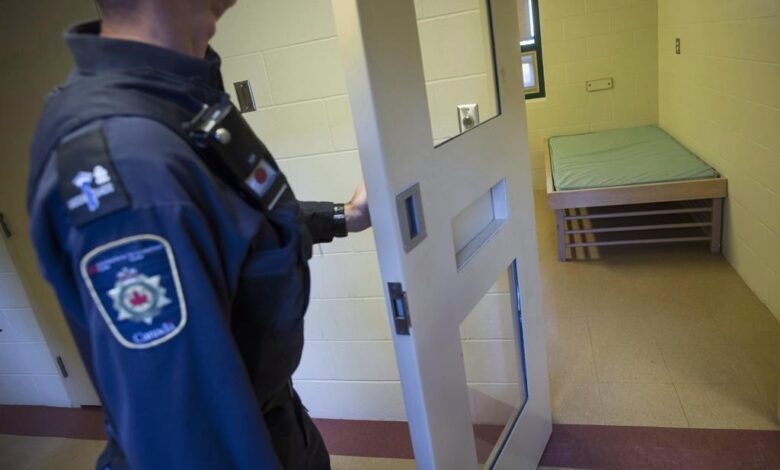
Tara Desousa applied to the Federal Court in October 2024 to overturn a federal prison decision denying escorted temporary absences for Indigenous cultural ceremonies in Vancouver. The application sought judicial review of an administrative decision; it did not grant leave, parole or unescorted access to the community.
The sentence and dangerous-offender designation
Desousa was 15 in 1997 when she sexually assaulted a three-month-old child she was babysitting in Quesnel, British Columbia, causing injuries that required surgery. In 1999, a B.C. Supreme Court judge imposed an indeterminate sentence and designated her a dangerous offender. The Court of Appeal upheld that designation in 2002.
A dangerous-offender sentence is based on legal findings about serious harm and future risk. Indeterminate does not mean release is legally impossible; detention and supervised-release decisions continue to depend on assessed risk and statutory processes.
The requested absences
The application said Desousa first requested escorted visits to ceremonies at Anderson Lodge in August 2023. The Indigenous-led Circle of Eagles Lodge Society operates the healing centre for women.
Escorted temporary absence is a structured correctional measure. Approval can include staff or authorized escorts, a specific destination, time limits and conditions. It differs from parole, which the Parole Board had most recently denied in June 2024.
Risk and rehabilitation
The parole decision said the victim and family continued to experience lasting harm and concluded that Desousa would present undue risk if released on parole. It also recorded severe abuse in her childhood and the case-management team’s view that escorted absences were a logical next step toward gradual reintegration.
Those facts do not cancel one another. A system can acknowledge the gravity of an offence and victims’ continuing trauma while assessing whether tightly controlled rehabilitative steps can reduce future risk.
The cultural programme
Circle of Eagles chief executive Merv Thomas did not comment on the individual application. He described strict protocols, community safety and a holistic approach involving culture, elders and counsellors for people coping with historical trauma.
Cultural connection can support rehabilitation, but participation does not automatically prove that a particular person is ready for a specific form of release. Correctional officials must consider current clinical and behavioural evidence, the proposed escort plan and the safety of staff and community members.
What judicial review can address
Federal Court review generally tests whether a decision was lawful, procedurally fair and reasonably justified on the record. It is not a fresh parole hearing, and a successful application may result in reconsideration rather than direct approval.
Because the matter was before the court, Desousa’s claims about the prison decision remained allegations until adjudicated. Her lawyer declined comment at the time.
Responsible coverage
The offence involved a child and requires restrained language that conveys severity without unnecessary graphic detail. Desousa’s gender history is relevant only where needed to explain older names in court records and prison placement; it should not be used to imply a connection to offending.
The central legal question was narrow: whether Fraser Valley Institution’s refusal of escorted cultural absences could stand. The broader public-policy challenge was to maintain victim-centred safety while providing evidence-based, supervised opportunities for rehabilitation where correctional law allows them.