A scheduled three-day strike at two Port of Montréal container terminals ended at 7 a.m. on October 3, 2024, allowing shipments to resume. The return was temporary relief rather than a labour settlement, and escalating job action later brought federal intervention and binding arbitration.
Two Termont terminals were affected
Longshore workers represented by Canadian Union of Public Employees Local 375 stopped work at the Viau and Maisonneuve terminals on September 30. The action involved roughly a quarter of the port’s approximately 1,200 loaders and checkers.
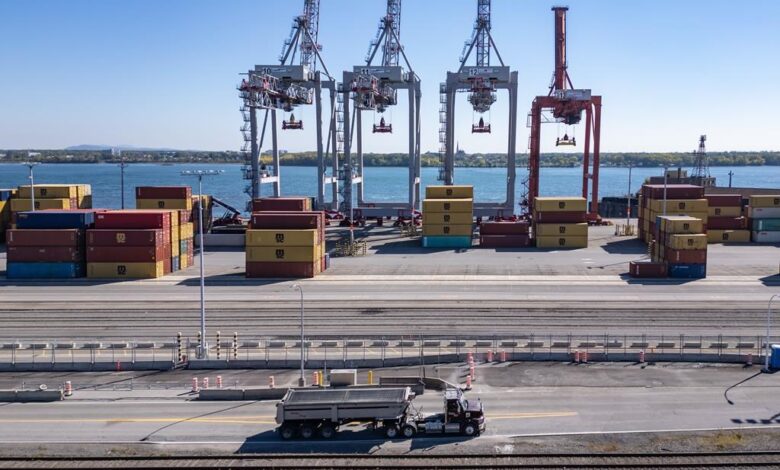
The two facilities handled more than 40 per cent of Montréal’s container traffic. Other port operations continued, so describing the action as a complete closure would overstate its original scope.
The strike ended at its announced time
The union’s notice specified a stoppage through 6:59 a.m. Thursday. The Maritime Employers Association confirmed that employees returned as scheduled, and rail, truck and vessel handling could begin again.
Resumption did not mean every container moved immediately. Terminals had to sequence accumulated cargo, equipment and transport connections while vessels and customers adjusted their plans.
Temperature-controlled goods required attention
The port authority reported containers building up on terminal property, including refrigerated food, pharmaceutical and medical products. Backup power and monitoring can protect such cargo, but delay reduces the margin available for delivery.
Produce importers had arranged some extra stock and worried that renewed action could cause spoilage. Manufacturers using just-in-time components faced a different risk: even a non-perishable part can stop a production line if it arrives late.
Negotiations had not resolved the dispute
The union said employers did not attend a meeting proposed by federal mediators during the strike; management and labour offered competing accounts of bargaining responsibility. The parties had been without a new collective agreement since the end of 2023.
Public economic pressure does not determine which bargaining proposal is fair. Wages, scheduling, work-life balance, job security and automation all required negotiation within Canadian labour law.
Further action followed in October
Longshore workers began refusing overtime on October 10. A 24-hour port-wide strike took place on October 27, followed by an indefinite strike at the same two Termont facilities from October 31.
Each measure had a different scope. Keeping those stages separate prevents the first scheduled return from being mistaken for the end of the entire conflict.
An employer lockout widened the shutdown
After union members rejected what the Maritime Employers Association called a final offer, the employer locked out approximately 1,200 longshore workers in November. Operations across the port were then much more broadly affected.
The union sought increases it described as necessary for members, while employers emphasized reliability and economic cost. Neither description substitutes for the terms of a negotiated or arbitrated agreement.
Ottawa directed a return to operations
Labour Minister Steven MacKinnon referred the dispute to the Canada Industrial Relations Board on November 12, asking it to restore work and impose binding arbitration. The board ordered operations to resume on November 14 while the process continued.
The intervention was criticized by organized labour as an infringement on collective bargaining and defended by government and business groups as necessary to protect supply chains. Those competing legal and policy arguments remain distinct from the fact that cargo movement restarted.
The October 3 headline captured only one phase
Shipments did resume after the planned three days, but congestion and unresolved bargaining made the relief fragile. Later stoppages confirmed the warnings published at the time.
The fuller chronology is therefore essential: a partial strike ended on schedule, further job actions escalated, a lockout expanded the disruption and federal referral restored operations. That record respects both the immediate update and the labour dispute that continued beyond it.