
Israeli Strike in Gaza Kills 18, Officials Say, Including 6 U.N. Workers
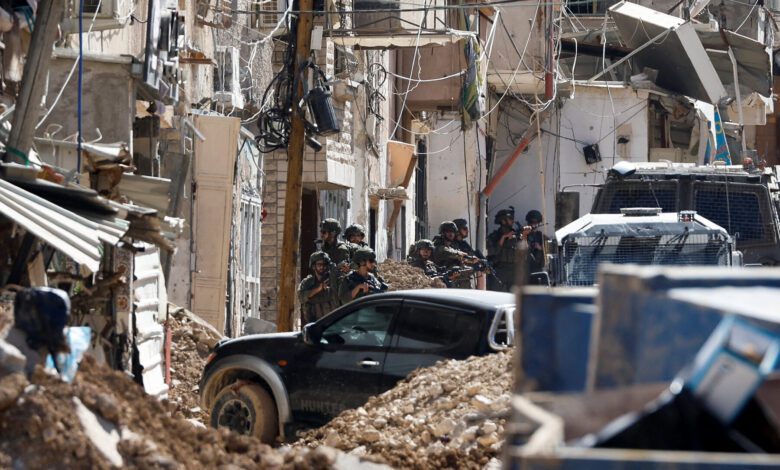
An Israeli strike hit the UNRWA-run Al-Jaouni school and surrounding area in Nuseirat on September 11, 2024. Gaza officials reported at least 18 deaths, while the United Nations said six UNRWA employees were killed in the deadliest single incident for its staff during the war to that date.
The school sheltered displaced people
About 12,000 people were reportedly using the site after repeated displacement. Schools across Gaza had become shelters because homes and neighbourhoods were damaged or under evacuation orders.
The building’s civilian function created an exceptionally high foreseeable risk.
UN staff were working at the shelter
UNRWA said the dead included the shelter manager and colleagues supporting families. Their roles made the loss both personal and operational for survivors dependent on aid.
Personnel status and identities should be verified through agency and family records.
Israel alleged a Hamas command centre
The Israeli military said militants planned attacks from a compound that had previously served as a school and that it used precise munitions. It later alleged several people killed had militant links.
UNRWA disputed the handling of those claims and sought evidence.
Civilian presence did not erase military questions
A protected building can become a military objective if used for acts harmful to an enemy, but attackers still must verify the target, assess proportionality and take feasible precautions.
Alleged militant use does not make every person inside a combatant.
The site had reportedly been hit before
Repeated strikes on the school increased concern about the effectiveness of UN deconfliction and the availability of safe shelter. Each incident still required separate evidence.
Past damage does not prove the legality or illegality of a later strike.
Casualty numbers required attribution
Local emergency services reported the overall toll, while the UN confirmed its employee deaths. In wartime, access limits and damaged records can cause early figures to change.
Headlines should identify the source instead of presenting all details as independently established.
Accountability needs operational evidence
An investigation should examine surveillance, target selection, timing, munitions, warnings and the decision-maker’s knowledge of shelter occupancy. It should also examine any armed activity at the site.
Public conclusions require more than statements from either belligerent.
The strike weakened humanitarian capacity
Loss of experienced workers disrupts registration, food, sanitation and protection services. Colleagues may have to evacuate or suspend work while families face new displacement.
Consequences therefore extend beyond the immediate casualty count.
The verified facts demanded restraint and action
A UN-administered shelter was hit, at least 18 people were reported killed, and UNRWA confirmed six employees among them. Israel said it targeted militants, a claim requiring independent assessment.
Responsible coverage could state the competing account without treating it as exoneration or proof of fabrication. Protecting civilians required reliable deconfliction, investigation of possible violations and a broader cessation of attacks that repeatedly left displaced families with nowhere safe to go.
Names should be released only after families are informed, and images should preserve victims’ dignity. The identities and employment records of alleged militants must be assessed by investigators, not tried through social-media lists.



