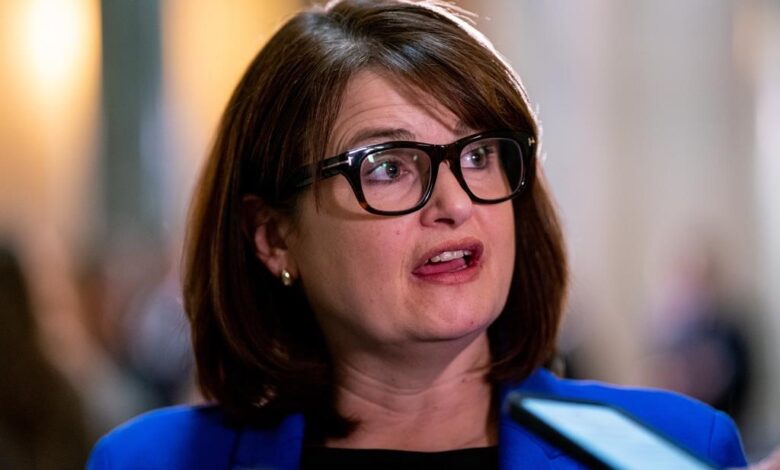
Saskatchewan NDP leader Carla Beck promised in September 2024 to remove the provincial sales tax from children’s clothing and some grocery items if elected. The proposal formed part of an affordability campaign ahead of the provincial vote.
The children’s-clothing exemption was prominent
Families regularly replace clothing as children grow, making the tax visible across income levels. Removing six-percent PST would create a modest saving at purchase.
Retail definitions would need to distinguish eligible sizes and items consistently.
Some foods were also targeted
Basic groceries were already generally exempt, but the NDP proposed removing PST from certain ready-to-eat grocery foods. Those products can matter to workers and families without time or facilities to cook.
A precise list was necessary to prevent confusion at checkout.
Tax cuts reduce provincial revenue
Every exemption leaves less money for services or requires replacement from another source. The party needed to publish an annual cost and show how it fit within its wider budget.
A small household saving can become a substantial aggregate fiscal amount.
Benefits are not income-tested
All shoppers buying eligible products would save, including high-income households. Universal exemptions are simple and avoid applications but may deliver less relief per dollar than targeted credits.
Distribution analysis would show who gained most.
Retailers face implementation work
Point-of-sale systems, product codes, invoices and staff training must change. Clear effective dates and guidance reduce disputes and accidental collection.
Small stores may need technical support to update systems.
Prices should be monitored
Competition normally encourages retailers to pass the full tax reduction to customers, but simultaneous price changes can obscure the benefit. Publishing representative before-and-after baskets would improve transparency.
Government cannot assume every shelf price remains otherwise constant.
Affordability has larger drivers
Housing, wages, childcare, utilities and transportation consume far more of most budgets than sales tax on a narrow category. The exemption could help but would not resolve those structural pressures.
Voters should examine the complete platform rather than one announcement.
The governing party offered its own record
The Saskatchewan Party could point to existing credits and tax policy, while critics challenged service and cost-of-living outcomes. Comparisons needed equivalent time periods and household types.
Campaign claims should identify which government controls each price pressure.
A good promise is testable
The NDP could define qualifying goods, implementation date, fiscal cost and household examples before election day. After enactment, tax receipts and price data could confirm delivery.
The proposal was easy to understand and likely to produce visible but limited savings. Its value depended on clean administration and an honest budget showing what revenue would be forgone. Affordability policy works best when immediate relief is paired with credible action on housing, income and essential services.
The province could evaluate the measure after one year using actual sales and household expenditure data. If relief proved too small or flowed mainly to higher earners, a refundable low-income credit could be compared as an alternative.
Public evaluation would turn a campaign promise into a policy that can be improved instead of defended indefinitely.