
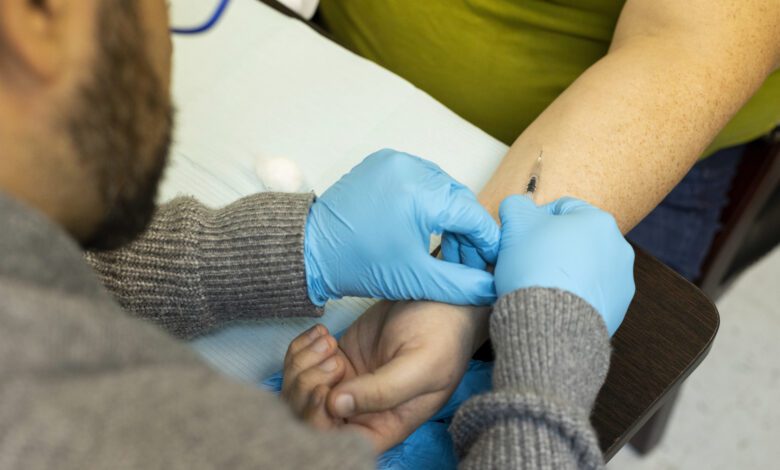
A Canadian observational study published in The BMJ estimated that one dose of the MVA-BN mpox vaccine was 58 percent effective against diagnosed infection. The result provided real-world evidence from Ontario’s 2022 outbreak while reinforcing recommendations to complete the available vaccine series.
The vaccine is also known as Imvamune
MVA-BN uses a weakened, non-replicating vaccinia virus to train immune responses related to smallpox and mpox. It cannot cause mpox.
Canadian programs prioritized people at higher exposure risk during the outbreak.
One dose was used to stretch supply
Ontario initially gave first doses widely before offering second doses, aiming to protect more people quickly. Researchers could therefore compare infection rates among eligible vaccinated and unvaccinated groups.
The policy created evidence but was not a randomized experiment.
Researchers emulated a target trial
ICES, Public Health Ontario and St. Michael’s Hospital investigators used linked health records and statistical methods intended to approximate a trial. They adjusted for measured differences between groups.
Unmeasured behaviour or access could still affect the estimate.
Fifty-eight percent means risk reduction
The estimate did not mean 42 percent of vaccinated people would become infected. It compared the observed rate of diagnosed mpox between otherwise similar groups over the study period.
Confidence intervals describe uncertainty around the central number.
Moderate protection is useful
A partially effective dose can prevent infections and slow transmission during an outbreak, especially when paired with testing and temporary behaviour changes after exposure. It does not guarantee individual immunity.
Vaccinated people should still seek care for compatible symptoms.
Two-dose completion remained advised
People eligible for a second dose should follow current public-health guidance. Immune protection can take time to develop, and recommended spacing may differ for specific circumstances.
Previous vaccination history and immune status should be discussed with a clinician.
Mpox spreads mainly through close contact
Direct contact with lesions, body fluids and contaminated materials can transmit the virus; prolonged close respiratory contact may also contribute. Anyone can acquire mpox.
The 2022 outbreak disproportionately affected gay, bisexual and other men who have sex with men without making identity itself the cause.
Stigma undermines control
Shaming communities discourages testing and contact notification. Clear, non-judgmental messages can target actual exposure patterns while protecting privacy.
Global outbreaks also require equitable vaccine supply, surveillance and care.
The result strengthened evidence, not certainty
No randomized efficacy trial had measured vaccination during the outbreak, and prior observational estimates varied widely. This study’s rigorous design narrowed uncertainty in a Canadian setting.
Its practical message was that a first dose offered meaningful but incomplete protection. Public health should improve series completion, monitor effectiveness against changing outbreak conditions and make vaccination easy to access for people most likely to benefit.
Surveillance should continue after the emergency peak
Lower case counts can make effectiveness harder to estimate, but they do not eliminate the need for follow-up. Researchers can examine duration of protection, outcomes after two doses and performance among people with immune conditions, while protecting sensitive health information. Clinics should also record doses consistently across jurisdictions. Better data would show whether booster advice or outreach needs to change and would help Canada respond faster if transmission rises again.



