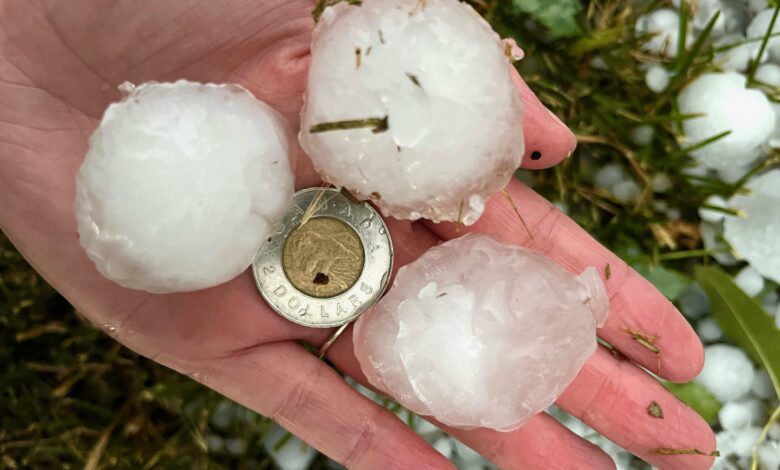
The August 5, 2024 hailstorm in Calgary caused an initial estimate of nearly C$2.8 billion in insured damage, making it Canada’s costliest hail event and second-costliest insured natural disaster at that time. Only the 2016 Fort McMurray wildfire ranked higher.
A supercell crossed northern Calgary
Large hail, strong wind and intense rain damaged roofs, siding, windows and vehicles. Localized flooding added to losses.
The storm also hit Calgary International Airport and damaged aircraft, disrupting flights after the clouds passed.
Claims were exceptionally numerous
Nearly one in five Calgary homes was affected, and subsequent counts approached 130,000 insurance claims. Vehicle claims made up a large share because cars left outside had shattered glass and deeply dented panels.
Insured loss excludes many uninsured costs and public damage.
The estimate could change
Catastrophe Indices and Quantification calculated the early industry figure from insurer data. Complex repairs, supplemental claims and inflation can revise totals as files mature.
Rankings should always state the date and that they concern insured losses.
Repair capacity became a bottleneck
Thousands of damaged roofs and vehicles competed for contractors, materials and adjusters. Delays increased exposure to later rain and created opportunities for fraudulent or unqualified operators.
Homeowners should verify contractors and document temporary repairs.
Calgary lies in a hail-prone region
Topography and summer storm patterns make southern Alberta’s “Hailstorm Alley” especially exposed. Urban expansion places more buildings and vehicles in the path of severe cells.
Growing loss reflects both hazard and the value of assets exposed.
Resilience can reduce future damage
Impact-resistant roofing, durable siding, protected skylights and covered parking can lower losses. Building codes and insurance incentives can spread adoption beyond homeowners able to pay upfront.
Standards should be tested for local hail sizes and wind.
Warnings need actionable time
Radar and alerts can help people move vehicles and shelter, but severe storms may form or intensify quickly. Messages should identify immediate protective actions rather than only describe a watch.
No one should risk injury outdoors to protect property.
Climate attribution requires precision
Human-caused warming can affect severe weather ingredients, but connecting a single hailstorm requires specialized analysis. Rising disaster costs also reflect construction, population and property values.
Those factors can operate together rather than cancel one another.
The loss figure was a planning signal
C$2.8 billion represented more than an insurance record; it showed predictable regional risk converting into widespread household disruption. Governments, insurers and builders could use claim patterns to identify which materials and neighbourhoods failed most.
Recovery should restore homes promptly while rebuilding more resiliently. Without changes to standards, incentives and warning response, Calgary risked paying repeatedly for damage that engineering could partly prevent.
Households needed transparent claims support
Policyholders had to understand deductibles, coverage limits, depreciation and the evidence required before repairs. Insurers could reduce confusion through written timelines and consistent explanations when estimates changed. Regulators and ombudsman services remained available for unresolved disputes, while consumers still needed to avoid signing broad contracts under pressure. A fair recovery process would not erase the storm, but it could prevent financial uncertainty and opportunistic sales practices from compounding the physical damage.