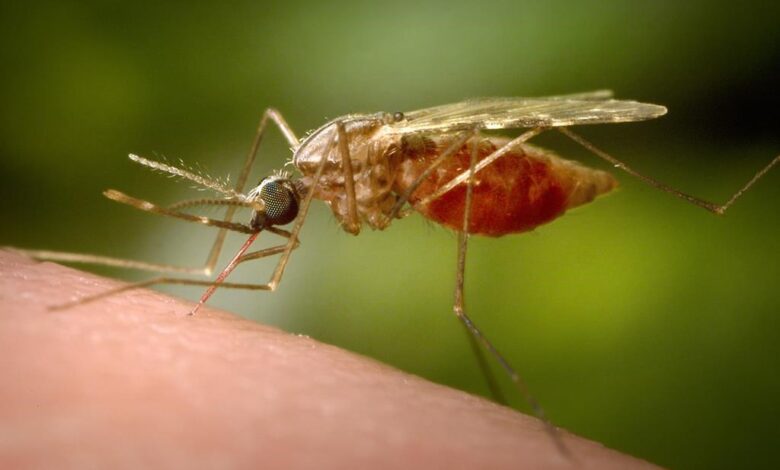
Ottawa Public Health confirmed in September 2024 that a resident who died from viral encephalitis in August had tested positive for eastern equine encephalitis virus. It was the city’s first known human case of the rare mosquito-borne infection.
EEE virus circulates through mosquitoes
The virus is maintained mainly between mosquitoes and wild birds. Humans and horses can become infected after a bite but are generally considered dead-end hosts that do not pass enough virus back to mosquitoes.
The illness is not ordinarily spread from person to person.
Most infections cause no symptoms
Some people develop fever, headache, chills or muscle pain. A small fraction develop encephalitis or meningitis, with confusion, seizures, coma and potentially permanent neurological injury.
Severe disease has a high fatality rate and requires urgent hospital care.
There is no specific human vaccine or cure
Treatment is supportive and may include breathing support, seizure control and management of brain swelling. Antibiotics do not treat viruses.
Suspected encephalitis is a medical emergency because several treatable conditions can appear similar.
The diagnosis came after death
Laboratory confirmation linked the August fatality to EEEV, but health authorities protected the person’s identity and clinical details. That privacy limited public information without weakening the warning.
One case did not indicate person-to-person community spread.
Outdoor exposure creates risk
Mosquito activity is greatest around dawn and dusk, although bites can occur at other times. Wetlands and standing water provide breeding habitat for different mosquito species.
Risk changes with weather, location and the amount of virus detected in animals or mosquito pools.
Repellent and clothing reduce bites
Public health advised using Health Canada-approved products containing DEET or icaridin according to label directions. Long sleeves, trousers and socks provide additional protection when mosquitoes are active.
Children need age-appropriate products applied by an adult.
Homes can reduce exposure
Residents can repair window screens and empty water from pots, toys, gutters, tires and other containers. Bird baths and outdoor water should be maintained rather than allowed to stagnate.
No single household measure eliminates mosquitoes across a neighbourhood.
Climate can affect mosquito seasons
Warmer temperatures and changing rainfall may extend breeding periods or alter where vectors survive. Annual variation is substantial, so one fatality cannot by itself establish a local climate trend.
Long-term surveillance is needed to measure change.
The warning called for proportionate caution
EEE remained very rare, and most mosquito bites do not transmit it. The severity of the uncommon neurological illness nevertheless made simple preventive steps worthwhile.
People developing severe headache, confusion, weakness or seizures should seek emergency care, especially after mosquito exposure. Public-health agencies should continue animal, mosquito and human surveillance and share timely, location-appropriate advice without suggesting an outbreak where only one confirmed case existed.
Horse owners should consult veterinarians about equine vaccination and promptly report neurological illness. Public agencies can coordinate animal findings with mosquito testing because signals in birds and horses may identify elevated risk before another human infection. Surveillance should guide targeted control rather than indiscriminate pesticide use.
Clear evidence should guide every intervention.