
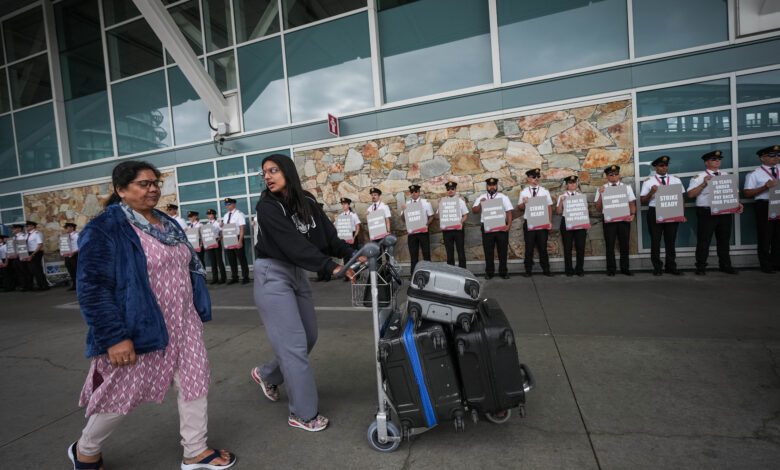
Air Canada passengers faced uncertainty in September 2024 as the airline and more than 5,200 pilots approached a possible strike or lockout. Canadian passenger rules provided important refund and rebooking rights, but labour disruptions did not automatically trigger every form of compensation.
A cancellation by the airline was decisive
If Air Canada cancelled a flight, passengers could choose a refund rather than accept an unsuitable alternative. The refund applied regardless of fare type and generally had to be provided within 30 days.
Customers should keep the cancellation notice and complete itinerary.
Voluntary cancellation was different
A traveller who cancelled a still-operating non-refundable ticket could lose the right to cash back. Waiting for the airline’s decision was often safer unless the fare rules or a temporary waiver allowed a no-cost change.
Buying a replacement ticket did not automatically cancel the original booking.
Rebooking obligations still applied
The Air Passenger Protection Regulations require carriers to offer alternate arrangements after many cancellations. Available seats could become scarce during a network-wide stoppage, particularly on international or infrequent routes.
Passengers could reject an alternative and request a refund when the trip no longer served its purpose.
Extra compensation was unlikely
A lawful strike or lockout was generally treated as outside the carrier’s control. Air Canada therefore said it would not owe the standardized disruption compensation or necessarily pay for hotels and meals.
That classification did not erase refund and communication duties.
A goodwill policy added flexibility
For certain tickets purchased by September 9 and travel dates between September 15 and 23, the airline offered changes to specified earlier or later dates without a change fee. Fare differences and eligibility terms still needed review.
Customers should save the policy version applicable when they acted.
Travel insurance varied considerably
Some policies excluded known labour disputes or covered only strikes that began after purchase. Credit-card insurance might apply only if the full fare was charged to the card.
A traveller should obtain written confirmation rather than assume the word “interruption” guarantees payment.
Package bookings add another party
Travel agents, tour operators and code-share carriers can control parts of an itinerary. The business that took payment may need to process a change even when Air Canada operates the flight.
A single-ticket connection normally offers more protection than separate tickets.
Documentation protects a claim
Passengers should retain receipts, screenshots, notices and records of calls. Necessary expenses might be recoverable from insurance even when the airline owed no accommodation.
Chargebacks are a last resort and should not replace the carrier’s refund process prematurely.
Practical preparation reduced harm
Travellers could verify contact details, keep medicines and essentials in carry-on baggage, and avoid going to the airport after a confirmed cancellation. People with urgent travel needed flexible backup options they could cancel.
The core distinction was simple: when the airline cancelled, refund and rebooking rights followed; when the passenger cancelled first, fare conditions controlled. Additional payments depended on whether the disruption was within Air Canada’s control and on separate insurance terms.
Rules and waivers can change, so passengers should verify the carrier and Canadian Transportation Agency guidance applying to their actual travel date.



