
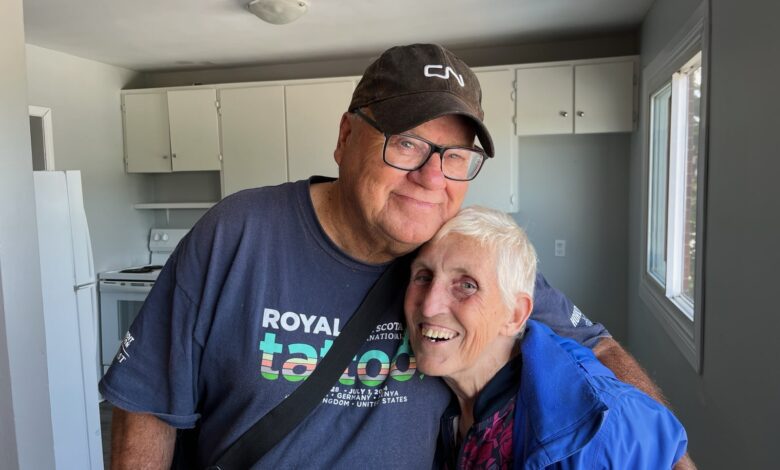
Halifax seniors Judy Howe and George Gillmore received keys to an apartment in September 2024 after being forced to live in a tent downtown. Community support and an anonymous donor who covered the first month’s rent and damage deposit helped the couple move indoors.
The apartment ended an immediate crisis
A secure door, kitchen and bed represented a profound change after sleeping outdoors. The couple expressed gratitude to people who helped them navigate applications and upfront costs.
Housing stability also makes it easier to manage health, medication and appointments.
An anonymous donation removed a barrier
Even when renters can afford monthly payments, deposits and the first month’s rent can block a move. The donor’s contribution bridged that gap without becoming a permanent substitute for income.
Private generosity was decisive for this household but cannot scale to everyone in need.
The case exposed a wider shortage
Halifax’s low vacancy rate and rising rents had left many residents competing for limited units. Seniors on fixed incomes were particularly vulnerable when a tenancy ended or living conditions became unsuitable.
One successful placement did not mean the housing emergency was resolved.
Homelessness is not a personal identity
The couple’s experience illustrated how ordinary people can lose housing after financial, health or rental-market disruption. Describing circumstances accurately avoids stereotypes that portray everyone in an encampment as unwilling to accept help.
People may need different combinations of housing and support.
Age increases the danger outdoors
Cold, heat, falls, theft and interrupted medical care can be especially serious for older adults. Temporary shelters may not meet accessibility, privacy, partner or mobility needs.
Rapid housing intervention can prevent expensive emergency and hospital visits.
A lease is only the beginning
New tenants may need furniture, transportation, utility setup and help replacing documents. Rent must also remain affordable after the initial donation ends.
Follow-up should respect independence rather than treating the couple as a public project.
Municipal and provincial policy both matter
Cities regulate land use and operate some frontline services, while provinces have major responsibility for income support, health and housing programs. Nonprofits and federal funding add further layers.
Clear coordination keeps people from repeating their story at disconnected offices.
Privacy deserves protection
Public attention helped generate support, but formerly unhoused people do not owe ongoing access to their home or personal lives. Reporting should avoid publishing details that create security risks.
Consent can be withdrawn after the immediate story.
The lesson extends beyond a hopeful ending
Howe and Gillmore’s move showed that practical assistance, a willing landlord and modest upfront funds can change a life quickly. It also demonstrated the fragility of a system in which success may depend on publicity and an anonymous benefactor.
Governments can learn from the result by funding rent banks, eviction prevention, senior-specific navigation and genuinely affordable construction. The couple’s happiness deserved celebration; the responsible public response was to make similar outcomes routine rather than exceptional.
Tracking how many people return to homelessness after placement would also reveal whether rents and support remain sustainable beyond the first hopeful day.



