Diplomacy Over Ukraine War Is About Bolstering Forces
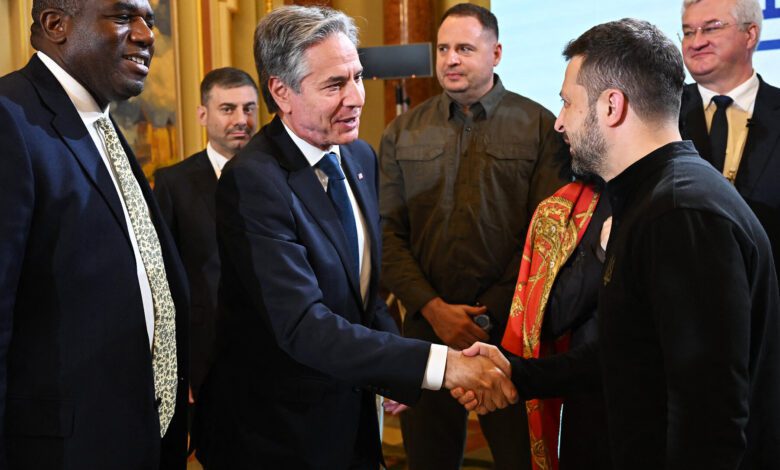
High-level diplomacy around Russia’s war on Ukraine in September 2024 focused less on an immediate peace conference than on shaping each side’s future bargaining power. Ukraine sought longer-range Western weapons, while Russia reinforced its forces and warned that expanded allied support would cross a new threshold.
Battlefield position influenced negotiation
Governments expected that territory, logistics and military endurance would determine the terms either side could demand in eventual talks. Assistance decisions were therefore diplomatic signals as well as operational choices.
Calling that activity “peace diplomacy” could be misleading when its immediate purpose was to strengthen combat capacity.
Ukraine wanted deeper-strike permission
Kyiv argued that Russian airfields, depots and command sites beyond the border supported attacks on its cities. It sought fewer restrictions on American ATACMS and British-French Storm Shadow missiles.
Ukraine believed imposing greater costs could persuade Moscow that continued war was less attractive.
Allies debated military effect
Some officials questioned whether limited stocks of long-range missiles could transform the front. Others said even a finite number could disrupt aviation, ammunition and command functions or force Russia to move assets farther away.
A tactical benefit did not automatically produce strategic leverage.
Escalation shaped the discussion
President Vladimir Putin said Western help with deeper strikes would mean direct NATO participation. Allied governments rejected that automatic conclusion but considered the risk of retaliation and miscalculation between nuclear powers.
Public ambiguity allowed them to consult without disclosing targeting policy.
Ukraine’s Kursk operation changed perceptions
Ukrainian forces crossed into Russia’s Kursk region in August, demonstrating that the border was not an absolute barrier to ground operations. Kyiv presented the move as a source of leverage and a way to divert Russian forces.
Holding territory also required troops that might otherwise defend eastern Ukraine.
Russia pursued its own military diplomacy
Moscow deepened relationships with states providing weapons, components or political support while continuing offensives in Ukraine’s east. It promoted proposals that would preserve occupied territory and restrict Ukraine’s alignment.
Ukraine viewed a ceasefire on those terms as a reward for invasion and a chance for Russia to rearm.
A ceasefire and peace agreement are distinct
Stopping fire can save lives immediately, but durable peace requires security guarantees, monitoring, prisoner issues, displaced people, occupied territory and consequences for violations. Previous agreements after 2014 failed to prevent renewed full-scale war.
Negotiation without enforcement could merely postpone fighting.
Military support could help or delay talks
Greater Ukrainian strength might improve bargaining power and deter further aggression. It might also encourage both sides to believe another campaign would produce a better position.
The effect depended on objectives, timelines and whether credible negotiating channels remained open.
The language of diplomacy needed honesty
Meetings in Kyiv, London and Washington were diplomatic in form, but many decisions concerned missiles, air defence, sanctions and production. Those were instruments intended to alter calculations before any settlement.
A realistic account did not romanticize talks or treat weapons as an end in themselves. The goal of supporting Ukraine was to protect its sovereignty and improve the chance of a just, enforceable outcome. Whether battlefield leverage achieved that goal remained uncertain and demanded continuous strategic review.