As Lebanon Reels From Israeli Attacks, the Future Is Murky for a Wounded Hezbollah
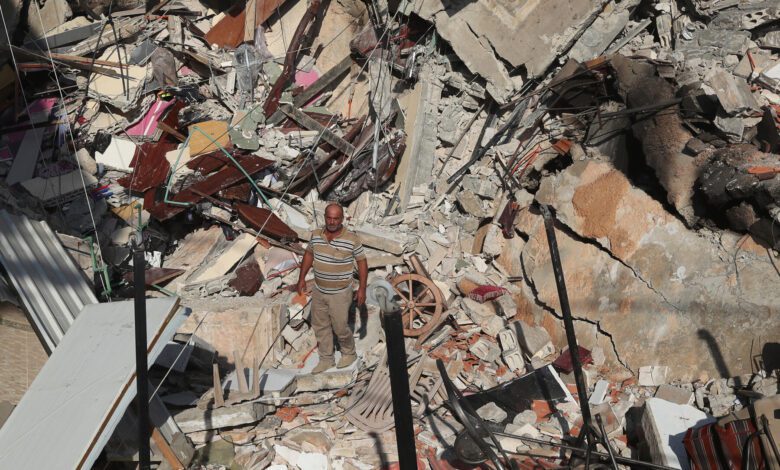
Israel’s intense September 2024 campaign in Lebanon killed Hezbollah commanders, struck weapons and communications networks, and inflicted heavy damage, but it did not produce a simple answer about the armed group’s future. Hezbollah was weakened while Lebanon’s civilians and institutions absorbed an enormous humanitarian cost.
The escalation followed months of cross-border fire
Hezbollah began launching rockets toward Israel after the Gaza war started in October 2023, saying it was supporting Palestinians. Israel responded with strikes, and tens of thousands of residents on both sides left border communities.
The conflict remained distinct from Gaza while being politically and militarily connected to it.
Israel expanded its objectives
Israeli leaders said they needed to stop attacks and allow northern residents to return. The military struck sites it described as launchers, weapons stores and command infrastructure across southern and eastern Lebanon.
Claims about a target’s military use required scrutiny, especially when attacks occurred in populated areas.
Hezbollah suffered leadership and communications losses
Exploding pagers and radios killed and injured members and civilians, while airstrikes killed senior commanders. These operations disrupted command, exposed security failures and increased uncertainty inside the organization.
Operational shock did not mean the movement’s personnel, arsenal, political party or social network disappeared.
Civilian casualties were severe
Lebanese authorities reported hundreds killed and more than a thousand injured on September 23 alone, including children and women. UN agencies documented mass displacement and pressure on hospitals.
International humanitarian law applies regardless of the legitimacy asserted for attacking Hezbollah.
Lebanon’s state remained fragile
The country was already facing economic crisis, institutional paralysis and large refugee needs. Hezbollah operated as an armed movement and political force beyond full state control.
Weakening it militarily did not automatically strengthen Lebanese government capacity or produce consensus on disarmament.
Iranian support could aid recovery
Iran supplied Hezbollah with funding, training and weapons over years, while routes through Syria affected resupply. Israel sought to degrade that network.
The group’s ability to rebuild depended on border control, regional politics, finances and internal Lebanese support.
A military campaign could alter rather than end the threat
Dispersed cells, smaller weapons and political grievance can survive destruction of fixed infrastructure. Conversely, sustained losses can reduce capability and constrain strategic choices.
Both immediate battlefield performance and multi-year reconstitution mattered.
The later ceasefire returned to Resolution 1701
A November 2024 cessation of hostilities called for Israeli withdrawal and the Lebanese military to deploy in the south while armed groups ceased operations. UNIFIL supported implementation.
The September question therefore had no clean answer: Hezbollah was wounded, but Lebanon’s future depended on state authority, ceasefire compliance and political settlement. Civilian devastation could not be treated as a secondary metric of success.
Any assessment also had to separate military capability from popularity and coercive influence. An organization may lose commanders while retaining supporters, weapons or the ability to veto state decisions. Conversely, reconstruction costs and anger at destruction do not automatically translate into renewed allegiance. Reliable analysis needed Lebanese political evidence, verified weapons activity and implementation data from the south rather than confident predictions made during the first days of bombing.