U.S. Supports Africa’s Bid for U.N. Security Council Seats, With a Catch
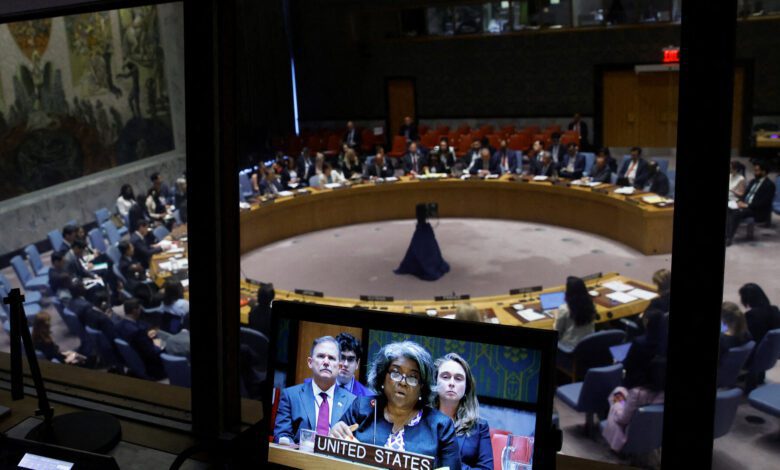
The United States announced support in September 2024 for two permanent African seats on the United Nations Security Council and a rotating seat for small island developing states. The proposal carried an important limitation: Washington did not support giving new permanent members veto power.
Africa lacks a permanent seat
The continent has more than 50 UN member states and is frequently the subject of Security Council action, yet none holds permanent membership. Three African countries serve rotating two-year terms at any time.
That imbalance reflects the institution’s 1945 structure rather than today’s world.
The African Union wants fuller equality
The common African position calls for at least two permanent and additional non-permanent seats. It prefers abolition of the veto, but says that if the power remains, new African permanent members should receive the same right.
The U.S. proposal therefore met only part of that demand.
Five countries currently hold vetoes
China, France, Russia, the United Kingdom and the United States can block substantive resolutions. Their privilege has repeatedly prevented collective action when a permanent member or close ally is involved.
Adding permanent voices without equal voting power could create a second tier.
Small island states gained recognition
A rotating dedicated seat would give vulnerable island nations more regular access to decisions on climate security, maritime issues and disaster response. They make up a significant share of UN membership despite small populations.
The selection and rotation formula would need agreement.
Washington also backed other candidates
The United States had long supported permanent seats for India, Japan and Germany and representation for Latin America and the Caribbean. Different expansion models could change regional balance and council size substantially.
Too many members could complicate negotiation without reforming working methods.
Charter amendment is difficult
Security Council expansion requires approval by two-thirds of the General Assembly and ratification by two-thirds of UN members, including every current permanent member. Political support in a speech is therefore only a first step.
Any one of the five can prevent the amendment.
Questions of selection remain unresolved
Africa would need a process for choosing which states occupy permanent positions and whether they rotate. Population, diplomatic capacity, regional representation and contributions to peacekeeping could all be debated.
The method must belong primarily to African institutions, not outside powers.
Representation should improve results
A more legitimate council may receive greater cooperation, but membership alone will not stop war. Transparency, restraint in veto use and stronger links with regional organizations are also needed.
Reform should be assessed by protection of people, not prestige.
The catch was politically significant
Washington acknowledged the injustice of permanent African exclusion while preserving a privilege it was unwilling to share. African governments could welcome movement and still reject unequal status.
The announcement created negotiating momentum, not a completed reform. Progress would require a written model, agreement on candidates and voting rights, General Assembly support and ratification by the powers whose dominance the proposal sought to dilute.
Until those details exist, “support” should be understood as a diplomatic position rather than a guaranteed seat or timetable.