Pager Attack Highlights Tension Between Israel’s Might and Strategic Fog
The coordinated explosions of pagers and radios used by Hezbollah demonstrated a striking intelligence and supply-chain penetration in September 2024. They also exposed a strategic uncertainty: a tactically sophisticated operation can degrade an adversary yet still fail to define a stable political outcome or prevent a wider war.
The operation showed deep access
Thousands of compromised pagers detonated across Lebanon on September 17, followed by handheld radios the next day. Subsequent reporting indicated that explosive material had been inserted into devices before distribution and activated through a signal.
That required procurement knowledge, technical preparation and operational secrecy.
Israel maintained initial ambiguity
Hezbollah and Lebanese officials blamed Israel, while Israeli authorities did not immediately claim responsibility. US and other reporting later attributed the operation to Israel.
Contemporary coverage should distinguish what was assessed, anonymously confirmed and officially acknowledged at each stage.
Tactical effects were immediate
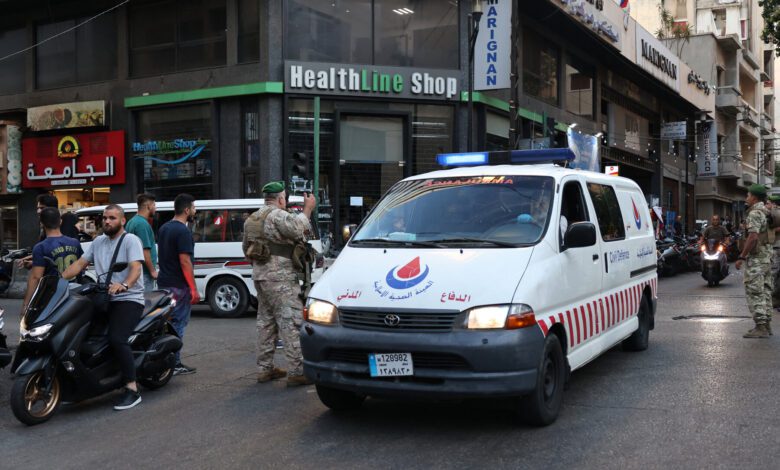
The blasts killed and injured Hezbollah members, disrupted communications and created fear that other equipment was compromised. Senior leaders had to reassess security while medical systems managed mass casualties.
Civilians, including children and health workers, were also among the dead and wounded.
Strategic success required more than surprise
Destroying devices and exposing a security failure can produce temporary advantage. It does not automatically disarm rockets, change political objectives or create an enforceable arrangement for residents displaced from the Israel–Lebanon border.
An adversary can adapt its communications and retaliate.
The attack carried escalation risk
Hezbollah promised a response, and Israel soon intensified strikes on senior commanders and sites in Lebanon. Each side faced pressure to demonstrate deterrence, increasing the danger that calibrated exchanges would become a broader conflict.
Later events showed that this risk was not theoretical.
Legal questions affected legitimacy
Combatants may be targeted in armed conflict, but distinction, proportionality and feasible precautions still apply. Devices exploded in homes, shops, streets and a funeral, raising questions about whether possession and location were sufficiently known when activation occurred.
An independent legal assessment needs targeting and casualty evidence unavailable in public claims.
Psychological power can cut both ways
The operation communicated formidable reach and may have weakened confidence inside Hezbollah. It also generated anger among Lebanese communities and fear of everyday electronics, potentially strengthening demands for retaliation.
Shock is not identical to durable deterrence.
The political objective remained unclear
Israel said returning northern residents safely was a priority, while Hezbollah linked its border attacks to the Gaza war. A covert operation could alter bargaining power, but only diplomacy or decisive military change could establish lasting conditions.
Evaluating the attack therefore requires two scorecards. On intelligence execution and immediate disruption, it displayed extraordinary capability. On civilian protection, escalation control and long-term security, the outcome was uncertain and costly. Responsible analysis should resist treating technical ingenuity as proof of strategic wisdom.
It should also ask what decision the operation was intended to compel, what alternatives existed and which later events can reasonably be attributed to it. Without those links, “success” describes execution only. Military advantage becomes strategic gain only when it advances a defined, lawful political objective at an acceptable human cost.