The Canadian Medical Association formally apologized in September 2024 for the medical profession’s role in past and continuing harms to First Nations, Inuit and Métis people. Indigenous physicians in Calgary described the statement as a necessary start while emphasizing that trust would depend on measurable changes in care, education and accountability.
The apology named institutional harms
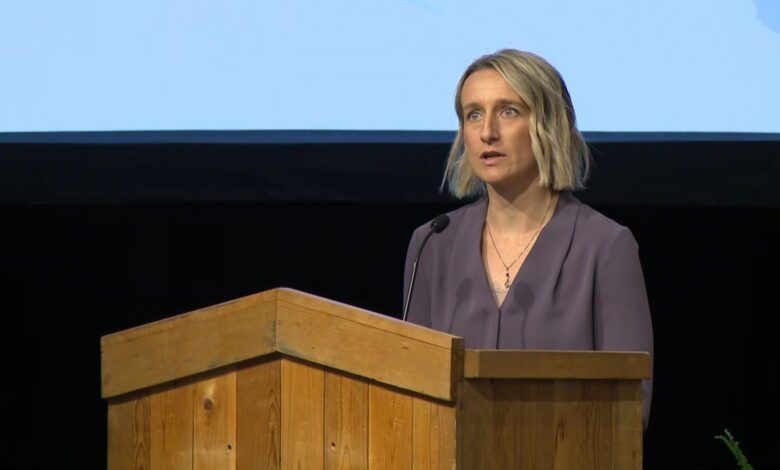
CMA president Dr. Joss Reimer delivered the statement in Victoria on the traditional territory of the Songhees and Xwsepsum Nations. It acknowledged racism, discrimination, forced medical practices, segregated or inferior care and the profession’s participation in colonial systems.
The association accepted responsibility rather than treating each injury as an isolated prejudice.
Medicine participated in coercive policy
Indigenous people experienced forced or coerced sterilization, medical experimentation, nutrition studies and removal from communities for treatment. Some children were transported to distant hospitals or institutions without meaningful family consent.
Clinical authority often operated alongside government efforts to control Indigenous lives.
Racism remains present in current care
Patients and families continue to report stereotyping, disbelief, undertreatment of pain and barriers to culturally safe services. The 2020 death of Joyce Echaquan after she recorded staff insulting her in a Quebec hospital became a stark example.
An apology cannot be confined to historical conduct.
Indigenous doctors welcomed acknowledgement cautiously
Physicians said an explicit national statement could validate experiences and open conversations within medical organizations. They also noted that communities have heard promises before.
Whether the apology matters will be determined by budgets, professional standards and patient outcomes.
Education is one practical test
Medical schools and continuing-professional programmes can teach the history of colonial health policy, recognize bias and involve Indigenous faculty and knowledge holders. Training should be evaluated for changed behaviour rather than counted as completed attendance.
Indigenous trainees also need protection from discrimination and disproportionate unpaid labour.
Data and complaints require reform
Health systems should collect distinctions-based data with Indigenous governance and privacy protections, enabling communities to identify unequal access and outcomes. Complaint processes must be safe, timely and able to impose consequences.
Communities should control how their information is interpreted and shared.
Access includes jurisdiction and geography
Remote communities face shortages, evacuation for routine care and disputes between federal and provincial programmes. Jordan’s Principle seeks to ensure First Nations children receive needed public services without delay caused by jurisdictional arguments.
Closing gaps requires infrastructure and a stable Indigenous health workforce.
Reconciliation is not symbolic agreement
The CMA committed to continuing work with Indigenous people and reviewing its own policies. Credible follow-through includes public milestones, independent assessment, anti-racism standards and support for Indigenous-led services.
Calling the apology a start was therefore precise. It mattered because a national medical body acknowledged its role, but words cannot restore trust on their own. Patients will judge progress through respectful encounters, informed consent, equitable treatment and the ability to hold institutions accountable when care causes harm.
National action must also respect differences among First Nations, Inuit and Métis communities rather than applying one generic programme. The CMA should return publicly to the people it consulted, report what changed and identify commitments that remain incomplete.