
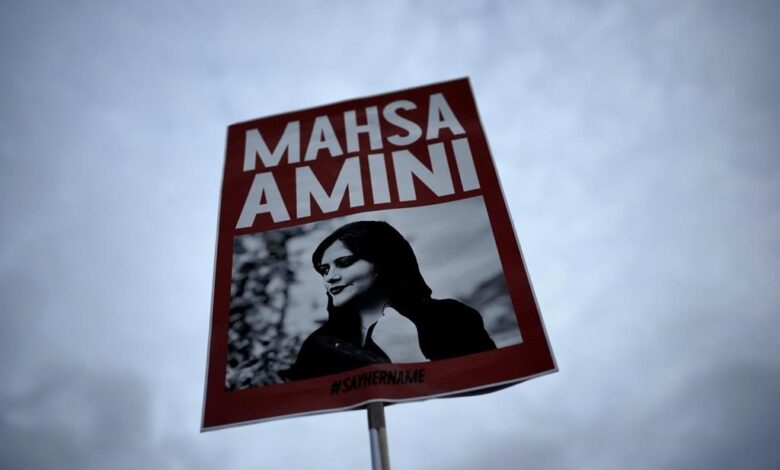
Canada, the United States and Australia announced coordinated sanctions against Iranian officials in September 2024, two years after Mahsa Jina Amini died in the custody of Iran’s morality police. The measures targeted people linked to repression, prisons and security operations while renewing support for the “Woman, Life, Freedom” movement.
Amini’s death became a national catalyst
The 22-year-old Kurdish Iranian woman was detained in Tehran over an alleged violation of mandatory hijab rules and died on September 16, 2022. Iranian authorities denied mistreatment.
A United Nations fact-finding mission later found that physical violence in custody led to her death.
Protests spread across Iran
Women and young people led demonstrations demanding bodily autonomy and wider political rights. Security forces used lethal force, mass arrest and prosecutions against protesters, according to UN investigators and human-rights organizations.
Iran’s government blamed unrest on foreign interference and defended its response.
Canada listed five people
Canada’s September 17 amendments designated five Iranian officials under its Special Economic Measures regulations for involvement in gross and systematic human-rights violations. Asset freezes and prohibitions on dealings generally apply to listed individuals within Canadian jurisdiction.
Travel inadmissibility may also follow under immigration law.
Allies used their own legal authorities
The United States targeted members of the Islamic Revolutionary Guard Corps, prison officials and people associated with lethal operations abroad. Australia announced related listings.
Coordination increased diplomatic visibility, though each country’s restrictions and evidentiary rules differed.
Canada had already expanded measures
Ottawa imposed repeated sanctions after the 2022 crackdown and listed the IRGC as a terrorist entity under the Criminal Code in June 2024. It also used immigration provisions against senior Iranian officials.
New names added pressure but did not create an entirely new policy.
Sanctions have limits
Designations can restrict travel and finance, signal support for victims and isolate officials. They can also be difficult to enforce where targets hold no accessible assets or use intermediaries.
Governments should publish enforcement results and guard against unintended harm to ordinary Iranians.
Accountability needs more than listings
States can preserve evidence, support independent UN investigations, protect diaspora activists from transnational repression and pursue lawful cases where jurisdiction permits. Humanitarian, communication and civil-society channels should remain available.
Symbolic anniversaries should lead to measurable action.
Accuracy protects the people being defended
Reports should use Amini’s Kurdish name, Jina, where appropriate; attribute casualty estimates; and avoid presenting every Iranian institution or citizen as responsible for government abuse. Activists inside Iran face the greatest risk and should control identifying information.
The coordinated September measures kept attention on continuing repression two years after Amini’s death. Their credibility, however, depends on implementation, clear legal grounds and sustained support for rights defenders—not the length of a sanctions list alone.
Parliamentary and public review should track frozen assets, denied entries and any successful circumvention cases. That evidence can show whether targeted sanctions impose meaningful costs while allowing legitimate family remittances and humanitarian activity.
Names and reasons should be corrected promptly if an authority later varies or removes a designation through its legal review process.



